Bullhead City HVAC guide for desert homeowners: seasonal maintenance, repair warning signs, replacement timing, and how to keep heating and cooling systems efficient year-round.
Bullhead City homes ask more from HVAC systems than most climates do. Summer heat regularly pushes past 110°F, winter mornings still get cold enough to expose weak heating systems, and desert dust shortens the life of anything that gets neglected. This guide lays out the year-round playbook: what to service, what to watch, when to repair, and when it is smarter to replace.
Why Bullhead City HVAC Systems Wear Out Differently
National HVAC advice usually assumes moderate climates. Bullhead City is not moderate. Long cooling seasons, sun exposure, monsoon dust, and big day-to-night temperature swings all increase system stress. Compressors run longer, condenser coils get dirtier faster, and neglected airflow problems show up as high electric bills long before they show up as a total breakdown.
That is why local homeowners need a full heating-and-cooling strategy instead of a once-a-year filter reminder. A system that feels “mostly fine” in March can become a same-day emergency by July if the basics are not handled early.
Your Cooling-Season Game Plan Before Triple-Digit Weather Arrives
The best time to fix an AC problem is before summer makes scheduling difficult and repair costs more painful. A smart Bullhead City cooling prep routine usually includes:
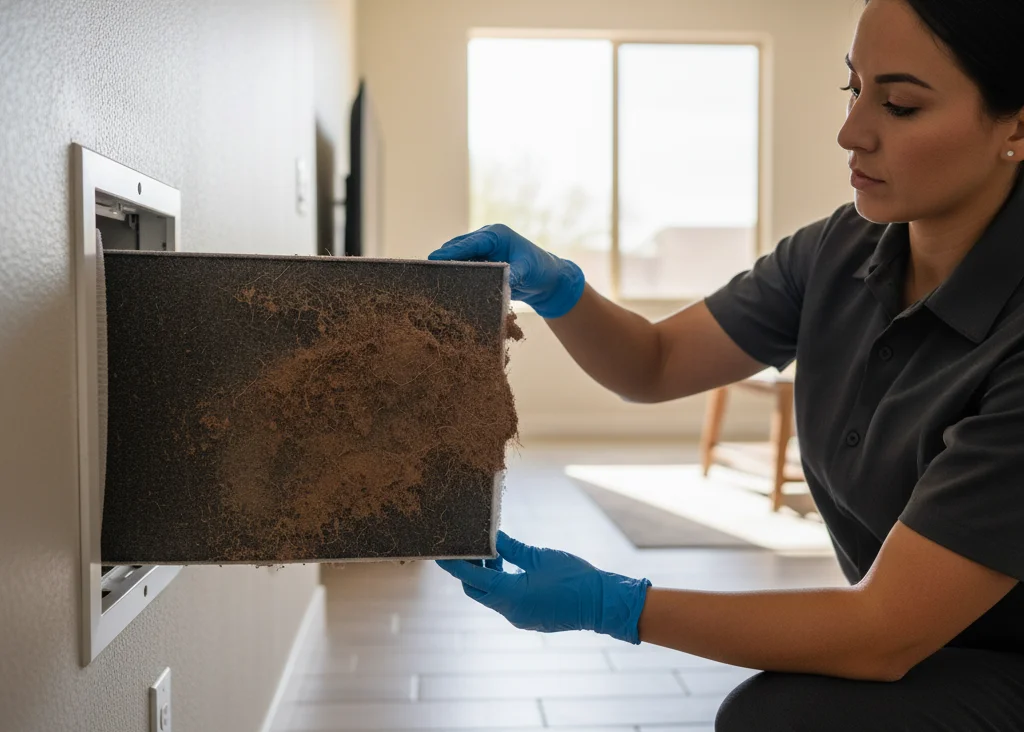
- Replacing filters before airflow drops. Desert dust loads filters fast. If the filter is dirty, the entire system works harder and your evaporator coil is more likely to freeze.
- Checking temperature split. Supply air should typically run about 15–20°F cooler than return air. Bigger gaps or weak airflow often signal service needs before the unit fully fails.
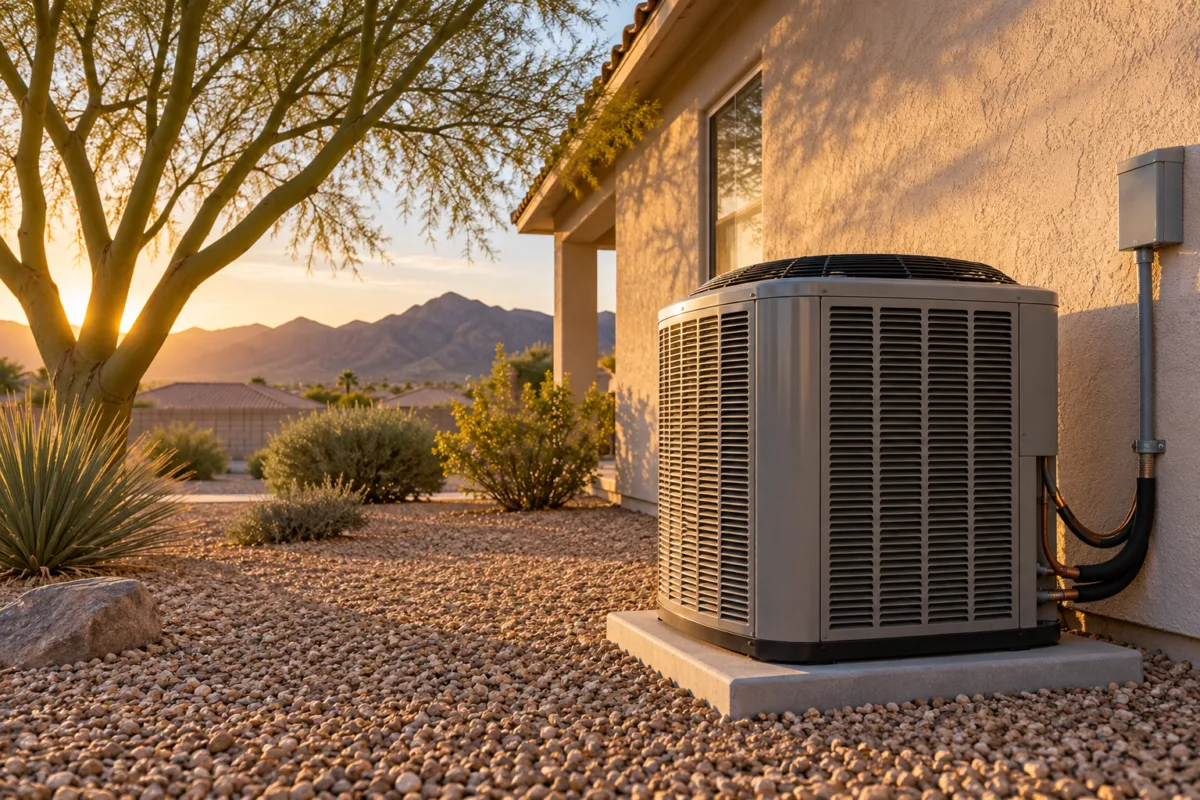
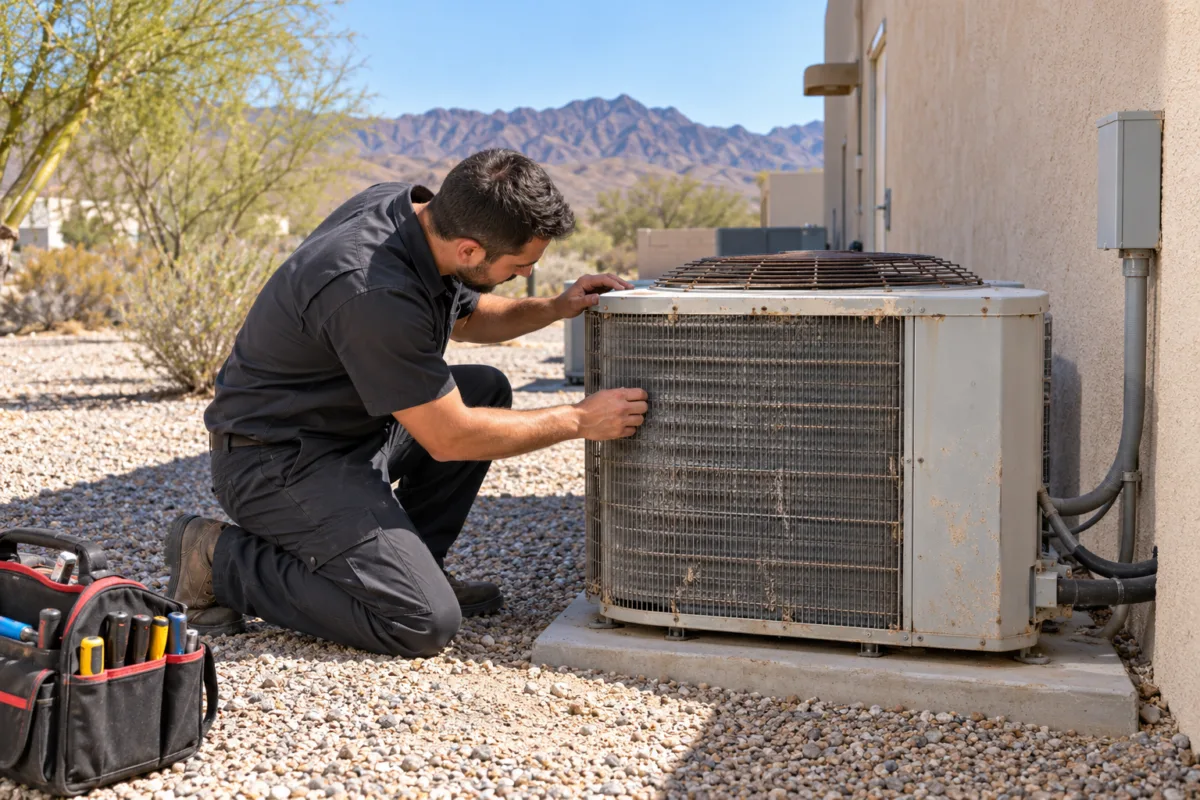
- Inspecting the condenser pad and coil. Gravel, tumbleweeds, cottonwood fluff, and monsoon debris all reduce airflow around the outdoor unit.
- Testing electrical parts before peak demand. Capacitors and contactors often fail under first-wave summer load. Catching them early is cheaper than waiting for a weekend no-cool emergency.
If you want the full step-by-step breakdown of what a neglected summer failure looks like, our emergency AC repair guide shows what happens when small warning signs are ignored too long.
Heating Still Matters in the Desert
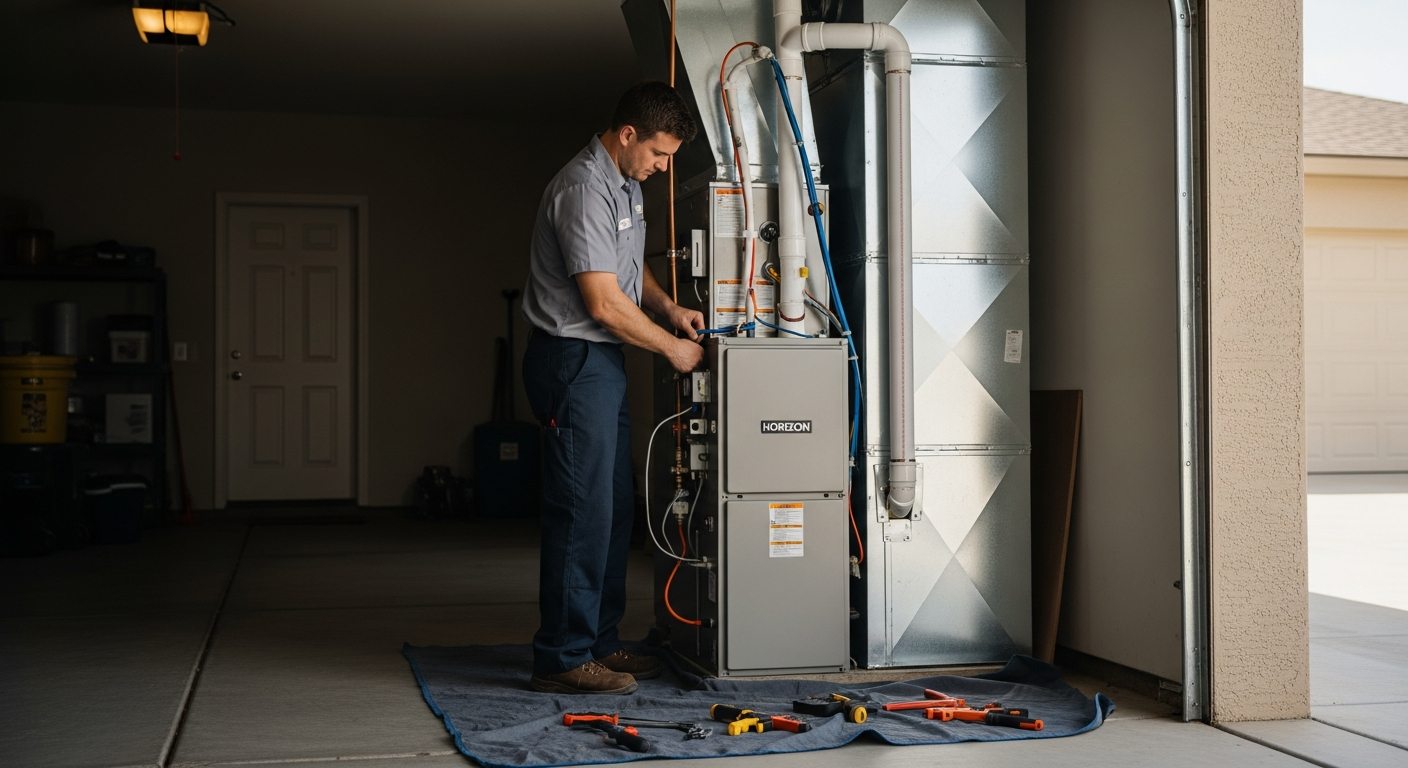
Many homeowners in the Tri-State area focus so hard on cooling that they forget their heating side until the first cold snap. Heat pumps, furnaces, and air handlers still need seasonal checks. Weak igniters, dirty burners, worn blower motors, and thermostat problems tend to show up exactly when overnight temperatures dip and you need the system immediately.
A fall heating check is not about surviving a Midwest winter. It is about avoiding the kind of “we only use it a few weeks a year” failure that turns a minor repair into a stressful scramble. If your system has been uneven, noisy, or slow to respond in winter, move that inspection up instead of waiting for it to get worse.
Repair, Maintain, or Replace: How to Decide
Most Bullhead City HVAC decisions are not really about whether the system works today. They are about whether the next dollar goes toward a reliable future or toward prolonging a losing battle. A few rules keep the decision clear:
- Maintain if the system is still cooling and heating well, the utility bill is stable, and the repairs have been minor and infrequent.
- Repair if the problem is isolated, the equipment is not near end-of-life, and the repair meaningfully restores dependable operation.
- Replace if the system is aging out, uses outdated refrigerant, keeps needing expensive work, or struggles to hold temperature even after repairs.
Our repair-versus-replace guide goes deeper into the math, especially for homeowners trying to decide whether another repair invoice still makes sense.
What a Good Local HVAC Company Should Actually Do
Good HVAC service in Bullhead City is not just “showing up fast.” It means checking the full system, explaining the real cause, documenting what is wearing out, and giving you a plan that fits your house instead of selling the biggest ticket available.
For service and installation work alike, you want a contractor who verifies licensing, explains airflow and sizing problems clearly, and gives you enough information to decide whether you are buying maintenance, a repair, or a replacement path. If you need a sharper checklist for that conversation, the Mohave County HVAC contractor guide covers the red flags and the questions worth asking.
What to Do Every Year to Protect System Life
Homeowners usually shorten system life through neglect, not bad luck. The highest-value routine is simple:
- Spring: AC tune-up, filter replacement, coil inspection, thermostat check, refrigerant/airflow review.
- Mid-summer: Filter change, condenser rinse, airflow check, watch for cycling and rising electric use.
- Fall: Heating inspection, thermostat response test, burner or heat-pump function check.
- Winter: Light preventive monitoring, especially for homes that barely use heat until the coldest nights.
The detailed month-by-month version lives in our desert HVAC maintenance calendar, which is the best follow-up if you want a practical yearly checklist instead of vague reminders.
Ready to Get Started?
If you want a local technician to look at the full picture instead of just the immediate symptom, the right next move is a conversation before the weather forces your hand. Horizon Air can help you figure out whether you need maintenance, a repair, or a bigger upgrade path.
Use the contact page to start the conversation, or call directly if you want to book service faster and talk through what your system is doing right now.
Need Help With This Today?
Use the quick actions below to get answers, book the right service, or talk directly with Horizon Air before the issue gets more expensive.
Frequently Asked Questions
Quick answers for the questions homeowners ask right before they call, schedule, or compare their next move.
How often should Bullhead City homeowners service their HVAC system?
At minimum, once before cooling season and once before heating season. In a desert climate, a single annual visit usually is not enough if you want strong efficiency, cleaner airflow, and fewer surprise failures.
What is the biggest warning sign that an HVAC system is falling behind?
Usually it starts with longer run times, weak airflow, or utility bills rising faster than your habits changed. Those are often early signs that the system is straining before a full breakdown happens.
When should I stop repairing and start planning replacement?
When the system is older, repair invoices are stacking up, and comfort is still inconsistent after service. If you are paying to keep an unreliable system barely alive, replacement planning usually makes more sense than another reactive repair.
Next Helpful Reads
Pick the next guide that matches the reader’s decision stage so the flow feels helpful instead of dumped.
Horizon Air, LLC