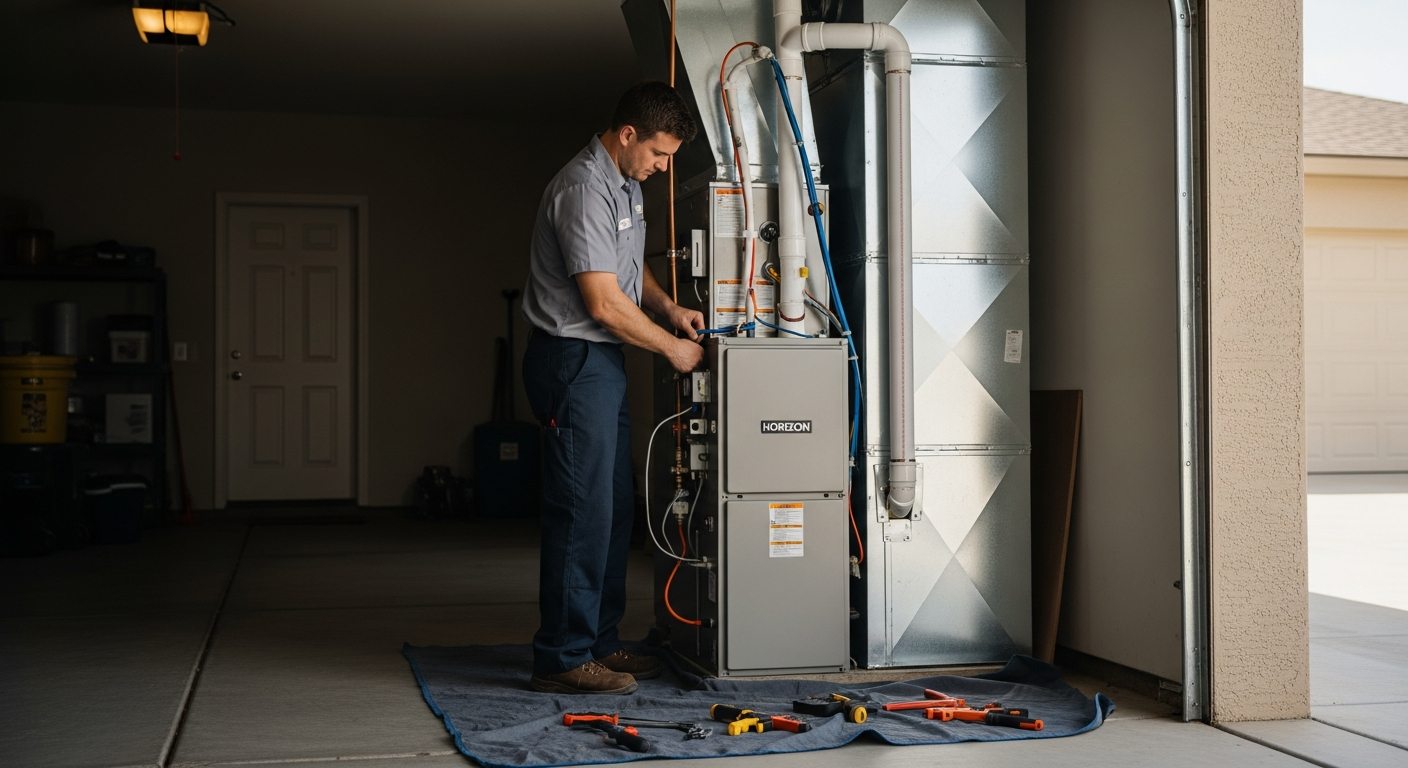
According to the U.S. Department of Energy, a typical home loses 20% to 30% of conditioned air through leaky ducts before it ever reaches the living space.
According to the U.S. Department of Energy, a typical home loses 20% to 30% of conditioned air through leaky ducts before it ever reaches the living space. When you apply those numbers to a Mohave County home running a 4-ton air conditioner all summer, the cost adds up fast. Those duct leaks can waste $80 to $120 per month in higher-load Mohave County homes during peak cooling season—money spent cooling the attic, not the house. Over a nine-month Arizona cooling season, that comes to $720 to $1,080 wasted annually, before accounting for the added wear on equipment that has to run harder to compensate. This guide explains when duct sealing in Arizona makes financial sense, when another HVAC issue may be the better first fix, what testing actually shows, and what Mohave County homeowners should expect before approving any work.
How Much Conditioned Air Arizona Homes Actually Lose (And What It Costs Per Year)
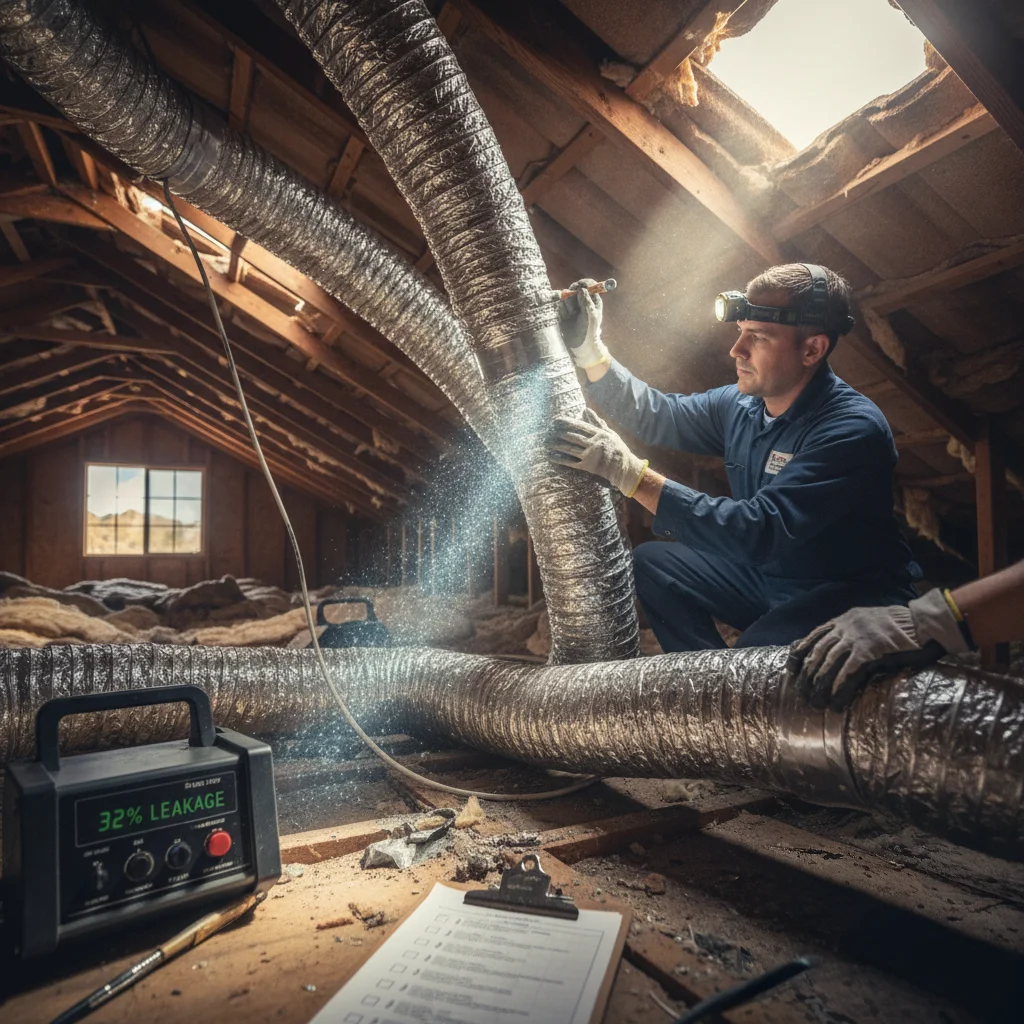
According to Energy.gov duct air sealing data, the typical home loses 20% to 30% of conditioned air through duct leaks. In a moderate climate where AC runs four months a year, that loss is a manageable inefficiency. In Arizona, it adds up across a much longer season.
Put it in real numbers. Depending on the home and bill size, the monthly waste from duct leakage often lands in the $75 to $120 range during heavy cooling months. If your summer electric bill averages $300 per month—a conservative figure for many Mohave County homes—a 25% leakage rate means roughly $75 disappears every month into unconditioned space. Across a nine-month cooling season, that is approximately $675 annually. Over five years, those same leaks cost nearly $3,375 before factoring in any additional equipment wear. At that scale, the cost of professional duct sealing starts to look straightforward.
Beyond the monthly bill, conditioned air escaping through leaky ducts forces the compressor to run longer each day just to meet the thermostat setpoint. That added runtime shortens equipment life—covered in more detail in the equipment longevity section below.
Why Arizona Duct Systems Deteriorate So Quickly
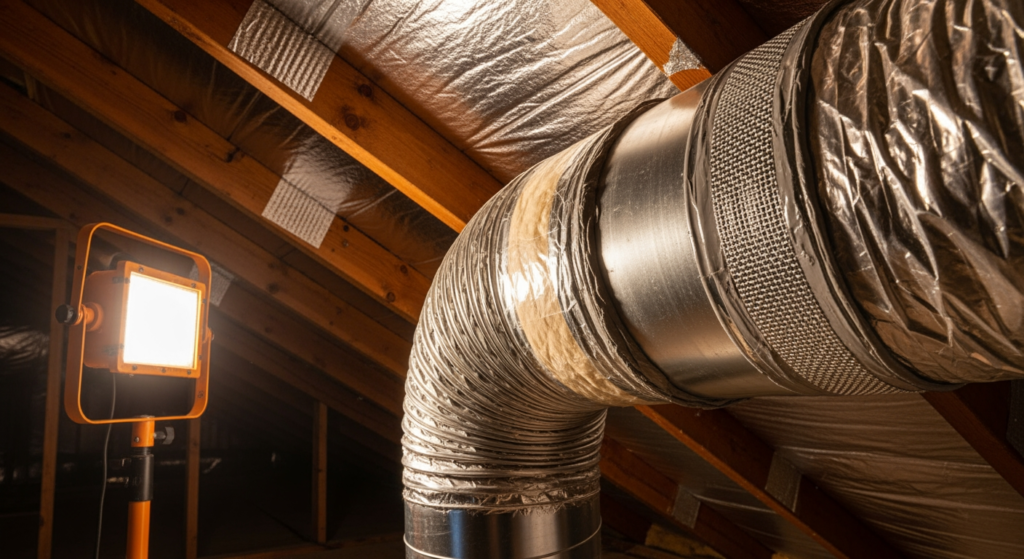
Duct systems are often described as lasting 20 years or more, but that assumption was not written for the desert Southwest. In Mohave County attics, we frequently see duct seals, tape adhesive, and flex connections degrade well before homeowners expect—particularly in older systems or homes where the ducts run through high-heat attic spaces.
Three local conditions tend to cause this:
Extreme attic heat. In high-heat attic spaces like those common across Mohave County, temperatures climb far above outdoor air temperature from June through August—significantly higher than most tape adhesives and thin-applied sealants are rated for. Standard foil-backed tape adhesive is not designed for sustained exposure at those temperatures. Even mastic applied thin can crack as the duct substrate cycles through repeated thermal expansion and contraction.
Monsoon humidity swings. July through September brings rapid humidity swings. Mohave County monsoon patterns can push relative humidity from single digits to 40% or more within the same day. Metal duct components expand with humidity and contract overnight. Over multiple seasons, that cycling works flex-duct connections loose and opens micro-cracks in mastic joints that cured under cooler, drier conditions.
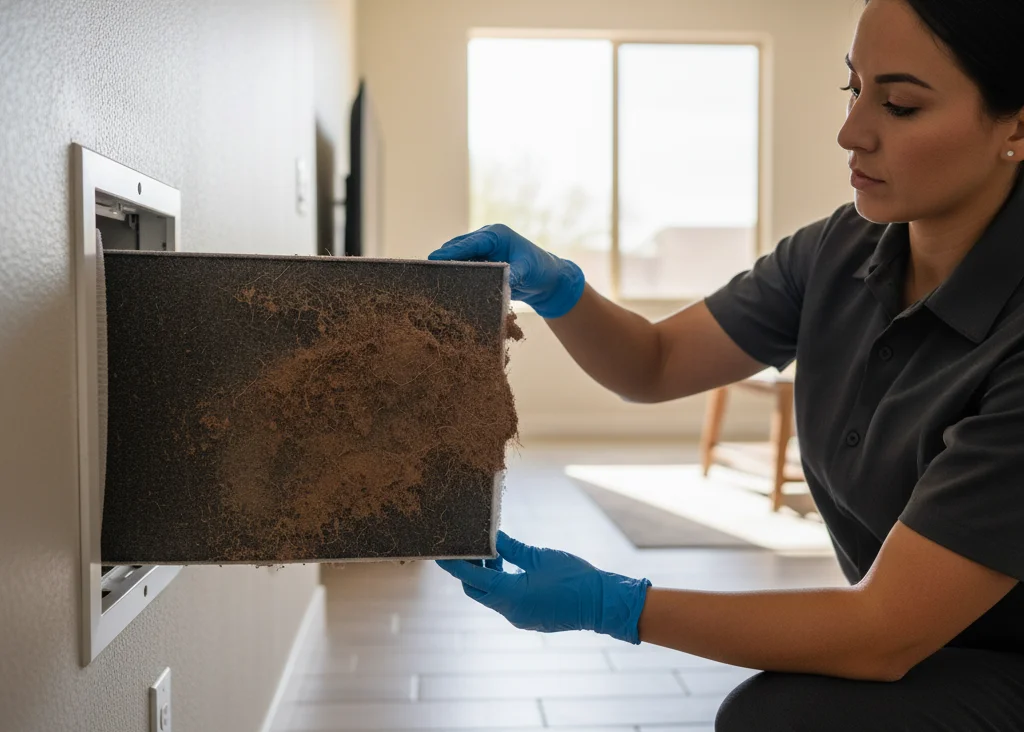
Fine desert dust. Fine desert dust in Mohave County can be pulled through return-side leaks and collect inside the air handler before homeowners notice a problem. Over time, that contributes to coil fouling and blower motor wear that shows up as gradual efficiency loss rather than a single failure event.
In Horizon Air duct tests across Bullhead City and Fort Mohave, older attic duct systems most often fail at ceiling boots, return plenums, and flex-duct takeoffs near the air handler—not at visible torn sections, but at connections that loosened gradually over repeated heat cycles. Those are exactly the leaks that only show up clearly during a pressure test, not a visual inspection. How attic duct sealing cuts energy bills in Fort Mohave covers the local savings data in detail. A system that passed inspection three years ago may now be leaking; the desert climate speeds up wear.
Homeowners in Fort Mohave see this pattern consistently — how attic duct sealing cuts energy bills in Fort Mohave covers the local savings data in detail.
Five Questions That Tell You Whether Duct Sealing Is Worth It for Your Home
This checklist helps you decide whether a professional inspection makes sense before spending more on equipment or comfort upgrades.
-
Has your AC ever been tested for duct leakage? If not, you are in the majority. Most Arizona homes have never had a pressure test, meaning any existing leaks are invisible and unquantified. Without a baseline, there is no way to know whether your efficiency losses are duct-related or equipment-related. A leakage test is the right first step before any larger HVAC investment.
-
Have your summer bills increased in the last 2–3 years without a change in usage habits? Gradual bill creep—without adding appliances or changing thermostat habits—is one of the cleaner indicators of duct degradation. It normalizes slowly but shows clearly in year-over-year comparisons. Pull two consecutive July bills from different years and compare kilowatt-hour usage, not just the dollar total.
-
Do you have any rooms that never reach setpoint on hot days? A room that stays 5 to 8 degrees warmer than the rest of the house—when the system is otherwise running normally—often points to a duct supply leak near that room, or a crushed or kinked flex run. If you are already seeing comfort symptoms, the duct sealing and repair guide for Mohave County walks through the DIY checks you can do before we arrive.
-
Was your home built before 2000 or has it had a major renovation? Pre-2000 Arizona homes often have original ductwork that looks intact visually but tests poorly under pressure. The materials were not built to current efficiency standards. Renovations that moved walls, added rooms, or reconfigured attic space frequently disturb duct runs without the homeowner knowing.
-
Is your AC newer than your ductwork? A new, high-efficiency unit running against old leaky ducts rarely reaches its rated SEER. This is one of the more common situations Horizon Air technicians find after a new unit installation—the system underperforms because the duct side was not addressed at the same time.
Two or more “yes” answers is a reasonable basis for booking a duct inspection before the next cooling season.
When Duct Sealing May Not Be the First Fix
Duct sealing is not always the first repair a home needs. If your system has a failing compressor, severely crushed duct runs, undersized ductwork, disconnected duct sections, or major attic insulation problems, sealing alone may not solve the comfort issue.
That is why Horizon Air starts with testing instead of assuming every home needs the same service. A duct leakage test shows whether leakage is the main problem, part of the problem, or not the problem at all. From there, the right recommendation may be sealing, targeted duct repair, flex-duct replacement, airflow balancing, equipment service, or no duct work at all.
For a detailed look at materials and testing methods, see our guide to professional duct sealing in Bullhead City.
Questions About Duct Sealing Arizona?
Horizon Air starts with testing, not assumptions. We measure the system first and explain exactly what the data shows before recommending any work.
What a Professional Duct Sealing Inspection Covers in Arizona
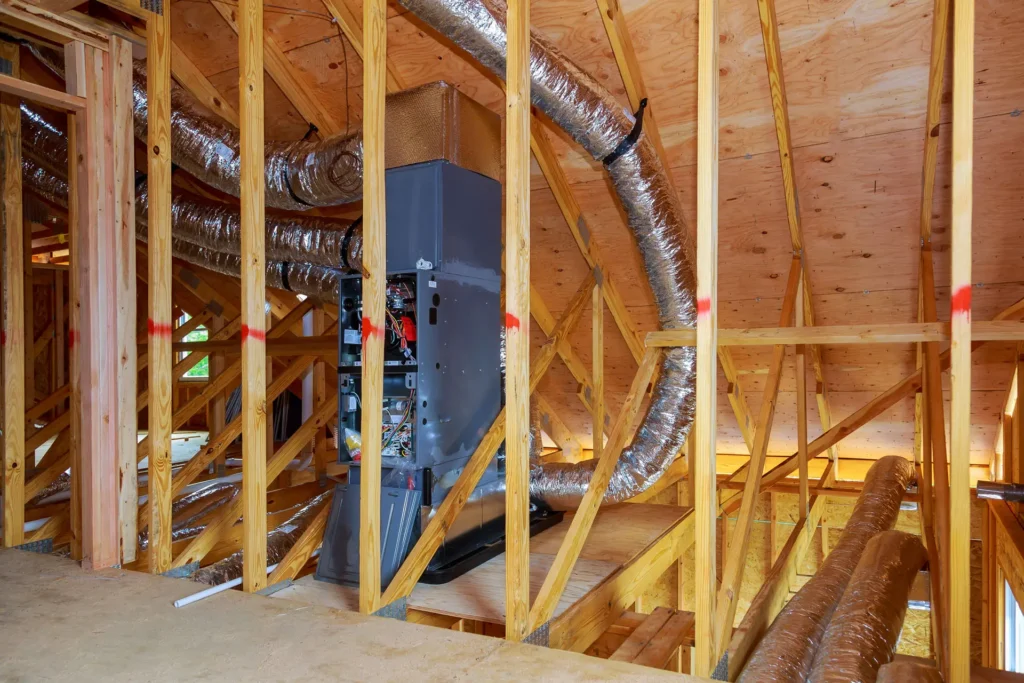
A professional duct sealing visit has four distinct phases, each building on the last.
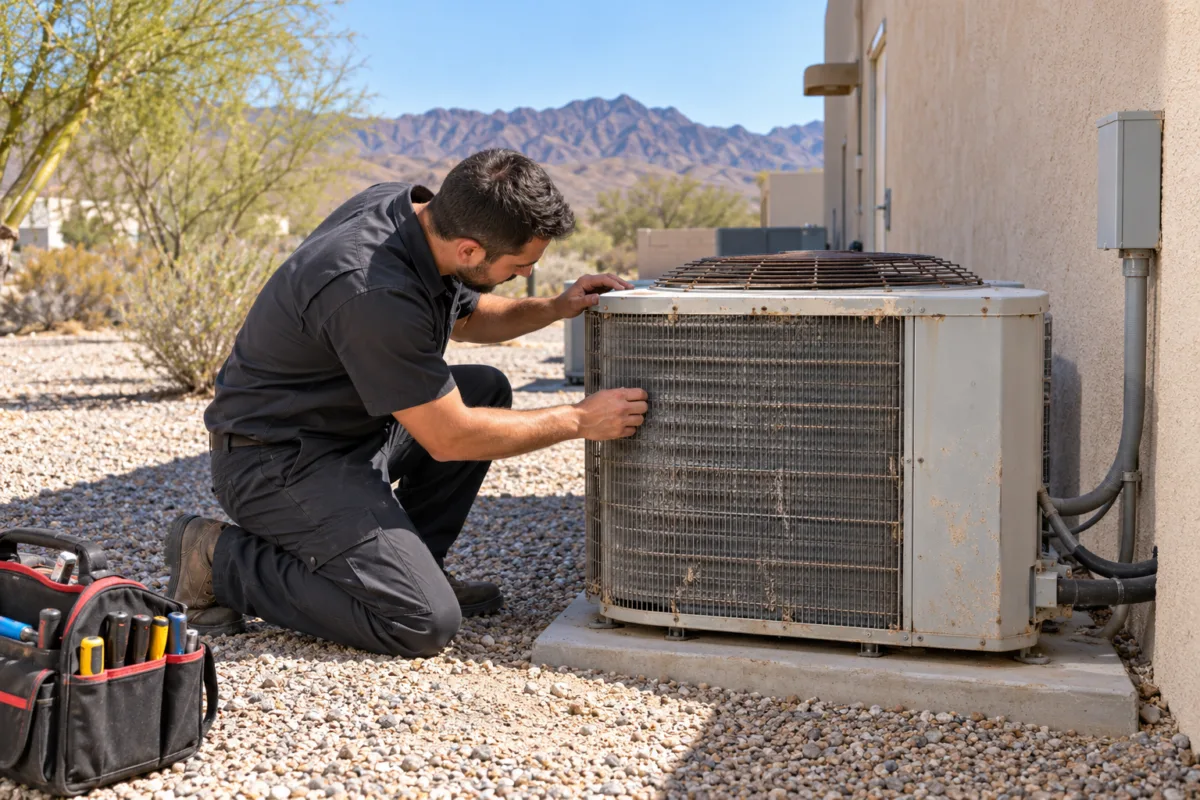
Visual inspection. The technician checks all accessible duct connections, boots, and flex-duct sections for damage, disconnected boots, or kinked runs that restrict airflow.
Baseline leakage test. A duct blaster or equivalent pressurization tool measures how much air the system leaks at operating pressure. This establishes a documented baseline before any work begins.
Sealing. Professional-grade mastic sealant is applied to accessible joints and connections. Foil-backed metallic tape bridges larger gaps before mastic is applied over the top. Disconnected flex-duct sections are reconnected and secured.
Post-seal test and documentation. The system is retested at pressure to measure the improvement. You receive a written record showing the starting leakage rate and the post-seal rate—useful for rebate applications and future home sales.
For a more detailed look at materials and testing methods, see our guide to our local duct sealing process guide.
Leaky return ducts pull unfiltered attic air into living spaces — for a deeper look at what that means, see our guide to indoor air quality in Arizona desert homes.
Cost, Payback, and Rebates: What Arizona Homeowners Should Budget
For a typical single-story Arizona home—1,400 to 2,000 square feet, 3 to 4-ton system, ducts in the attic—professional duct sealing generally runs $350 to $800. Homes with more complex layouts or extensive flex-duct replacement may run $800 to $1,500. Horizon Air provides a written estimate after a leakage test, not before, because the scope varies by home.
The payback math is straightforward. At a 25% efficiency improvement on a $300/month peak-summer bill, savings run roughly $75 per month during the cooling season. A $600 sealing job recovers its cost within one cooling season at that rate. Duct sealing is one of several energy-saving HVAC strategies for Arizona homes—pairing it with a programmable thermostat or tighter attic insulation can push those savings further.
| Home scenario | Estimated monthly waste | 9-month cooling-season waste |
|---|---|---|
| $300/month summer bill, 25% leakage | ~$75/month | ~$675/year |
| Higher-load home or larger system | $80–$120/month | $720–$1,080/year |
Utility rebates can reduce what you pay out of pocket. APS, MEC, and UniSource all serve Mohave County and have offered efficiency rebates for duct sealing work in the past, but availability varies by utility and may not be active every year. Check your utility’s current rebate portal before assuming a program is running. ENERGY STAR duct sealing guidance lists nationally available incentive programs alongside the technical standards that typically qualify a project for rebate. If a current rebate is available when you book, ask what documentation is required before work begins—test results, invoice, and scope notes all need to be recorded correctly to support a claim.
Federal incentives change from year to year, and duct sealing may only qualify when bundled with eligible efficiency improvements or an approved home energy audit. Confirm current eligibility with a tax professional before counting on the credit.
Not sure whether the numbers apply to your home? Horizon Air can test the system and show the leakage rate before recommending next steps—call 928-768-3761 or visit our cooling services page.
How Sealed Ducts Extend Your HVAC Equipment's Life in Extreme Heat
Monthly savings are the clearest argument for duct sealing, but equipment longevity matters just as much in a climate where a full system replacement is a significant expense and the equipment is under high stress for most of the year.
Blower motor load. When conditioned air escapes through duct leaks, the system has to work harder to move enough air through the remaining duct runs. On variable-speed systems, the motor ramps up to compensate; on single-speed systems, the same volume of air reaches fewer rooms per cycle. Either way, the equipment is doing more work than it would with a tight duct system, and that sustained effort adds up over a long cooling season.
Compressor run cycles. When conditioned air escapes before reaching the living space, the compressor runs longer to satisfy the thermostat. Each additional start-stop cycle adds wear, and in an Arizona summer—where the unit may already run eight to ten hours a day—the cumulative effect is significant.
When duct leakage is a significant contributor to the load, sealing means more conditioned air reaches the rooms instead of escaping into the attic. That reduces wasted runtime and lowers daily compressor hours.
Frequently Asked Questions
Quick answers for the questions homeowners ask before they call or book.
How much does duct sealing cost in Arizona?
Duct sealing in Arizona typically costs $350 to $800 for a standard single-story home, with more complex jobs running $800 to $1,500. Scope, attic access difficulty, and how much flex-duct needs replacing affect the final number. Utility rebates from APS, UniSource, or MEC can reduce out-of-pocket cost. Horizon Air provides a written estimate after a duct leakage test—not before—because quoting without a test produces inaccurate numbers.
Is duct sealing worth it for Arizona homes?
For most Arizona homes, yes—especially those built before 2000 or with ducts running through an unconditioned attic. With a nine-month cooling season and summer bills that can reach $300 or more per month in peak heat, a meaningful efficiency improvement on the duct side can pay back the sealing cost within one or two seasons.
How long does duct sealing last in Arizona heat?
Professionally applied mastic, tested to a measured leakage standard, holds up well in Arizona’s climate. Foil-backed metallic tape used on its own degrades faster due to adhesive breakdown from sustained attic heat—which is why Horizon Air uses mastic as the primary sealant rather than tape alone.
Can I seal my own ducts in an Arizona attic?
Accessible connections near the air handler can be DIY-sealed with mastic, but most of a duct system’s leakage comes from connections in tight attic spaces or inside wall cavities. Without a pressure test, you cannot identify which leaks account for most of the loss. DIY sealing can address the visible, accessible portion of the problem; a professional test-and-seal addresses the system as a whole.
Will duct sealing lower my APS or Mohave Electric bill?
It should, if leaky ducts are a meaningful contributor to your current energy load. Homes with significant pre-seal leakage typically see measurable bill reductions in their first full cooling season after a professional seal, with the improvement most visible during the July–September peak. Leaky return ducts can also pull unfiltered attic air into living spaces, which affects both comfort and air quality over the long run.
How do I know if my ducts need sealing without a test?
Common signs include rooms that never reach setpoint on hot days, electric bills that have crept up year-over-year without lifestyle changes, dust rings around ceiling vents, and a system that runs nearly continuously without reaching the thermostat setpoint. Any two of those together is a reasonable reason to request a duct leakage test. The EPA indoor air quality resources also document how duct leaks affect air quality inside the home.
Next Steps for Mohave County Homeowners
Addressing ductwork is one of the more cost-effective ways to get more from an AC system that already works hard every summer.
Horizon Air, LLC