Your heating system check for Arizona winter isn’t optional—it’s essential When you need a mid-winter heating system check in Arizona, don’t wait for a breakdown on the coldest night of the year.
Your heating system check for Arizona winter isn’t optional—it’s essential. When you need a mid-winter heating system check in Arizona, don’t wait for a breakdown on the coldest night of the year.
January in Mohave Valley brings 40 °F nights and occasional cold snaps that dip into the 30s. While that’s mild by national standards, it’s cold enough to expose weaknesses in heating systems that have been idle since last spring.
Why Mid-Winter Heating Checks Matter in the Desert
- Systems run continuously during cold snaps—hidden problems surface under sustained load.
- Desert temperature swings (40-degree day-to-night differences) stress heating components.
- Dust buildup from months of disuse reduces efficiency by 15–25%.
- Emergency service during cold snaps costs $200+ more than scheduled maintenance.
7 Critical Checks for Your Heating System
1. Thermostat Accuracy Test
Place an accurate thermometer 3 feet from your thermostat. If readings differ by more than 3 °F, your system is cycling inefficiently.
- Check battery level (replace if display dims).
- Clean dust from sensor area with compressed air.
- Verify correct mode setting (HEAT, not AUTO).
2. Filter Inspection & Replacement
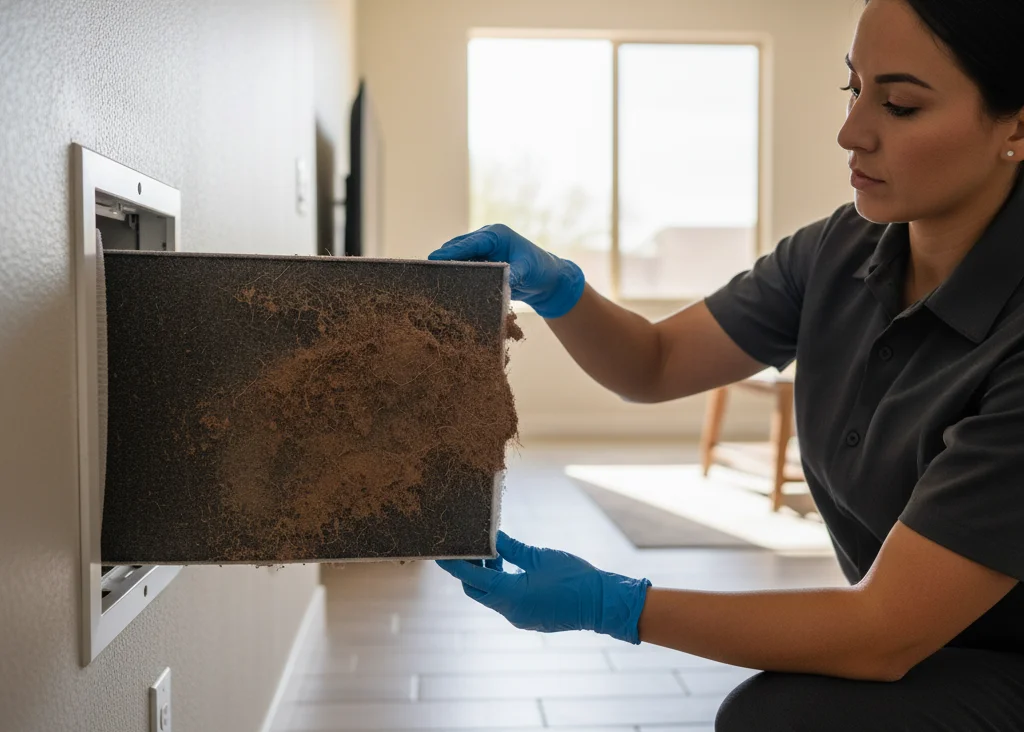
Arizona’s dust means filters clog 2× faster than in humid climates. A clogged filter forces your system to work 30% harder.
- Hold filter up to light—if you can’t see through it, replace immediately.
- Check every 30 days during heating season.
- Use MERV 8 pleated filters (not fiberglass).
3. Ignition & Flame Sensor Test
Gas furnaces should ignite within 5 seconds. Delayed ignition causes dangerous gas buildup and component damage.
- Blue flame = good combustion.
- Yellow/orange flame = dirt on burners (needs cleaning).
- Multiple ignition attempts = failing sensor.
4. Ductwork Leaks
Desert homes lose 25–40% of heated air through attic duct leaks. Feel for warm air around:
- Duct joints and connections
- Register boot seals
- Return air grilles
5. Carbon Monoxide Detector
Test CO detectors monthly. Replace units older than 7 years. Place detectors:
- Within 15 feet of bedrooms
- On each floor of your home
- Never in garages or near appliances
6. Blower Motor Performance
Listen for:
- Squealing = worn belt
- Grinding = bearing failure
- Clicking = loose mounting
7. Pilot Light or Electronic Ignition
Older furnaces with standing pilot lights should show a steady blue flame. Flickering or yellow flames indicate adjustment needed.
DIY Mid-Winter Maintenance Checklist
- Replace air filter (15 minutes, $12).
- Test thermostat accuracy (10 minutes).
- Vacuum supply registers (20 minutes).
- Check CO detector batteries (5 minutes).
- Clear outdoor unit area of debris (10 minutes).
- Test emergency heat mode (5 minutes).
When to Call a Professional
Schedule a professional heating system check if you notice:
- Heating costs increased 20%+ vs. last year
- Some rooms stay cold despite thermostat setting
- System cycles on/off every few minutes
- Burning smell persists after first 30 minutes of operation
- Excessive dust around vents
Cold Snap Emergency Preparedness
Mohave Valley sees 3–5 nights per year that dip below 35 °F. Prepare now:
| Emergency Scenario | Immediate Action |
|---|---|
| Furnace won’t start | Check circuit breaker, replace filter, verify thermostat batteries |
| Cold air blowing | Confirm HEAT mode (not FAN), check pilot light, inspect flame sensor |
| Strange noises | Turn off system immediately, call for service (potential blower issue) |
| Gas smell | Evacuate home, call gas company from outside, do NOT operate switches |
What Horizon's Heating System Check Includes
- Combustion analysis: Measure CO levels, oxygen content, efficiency
- Heat exchanger inspection: Check for cracks (prevents CO leaks)
- Gas pressure test: Verify proper supply to burners
- Electrical connections: Tighten terminals, test capacitor, check amp draw
- Ductwork assessment: Measure airflow, identify leak locations
- Safety controls: Test limit switches, verify rollout protection
Service time: 60–90 minutes | Cost: $129
Typical Issues We Find in January
| Issue Found | % of Systems | Impact if Ignored |
|---|---|---|
| Dirty flame sensor | 42% | System won’t stay lit, intermittent heat |
| Clogged filter | 68% | Heat exchanger cracking, $1,200+ repair |
| Weak capacitor | 25% | Blower motor failure, no heat |
| Duct leaks | 55% | $45–75/month in wasted energy |
Heating System Age Matters
Know when extra attention is needed:
- 0–5 years: Basic filter changes, annual inspections
- 6–10 years: Watch for efficiency drops, budget for repairs
- 11–15 years: Increase inspection frequency to 2×/year
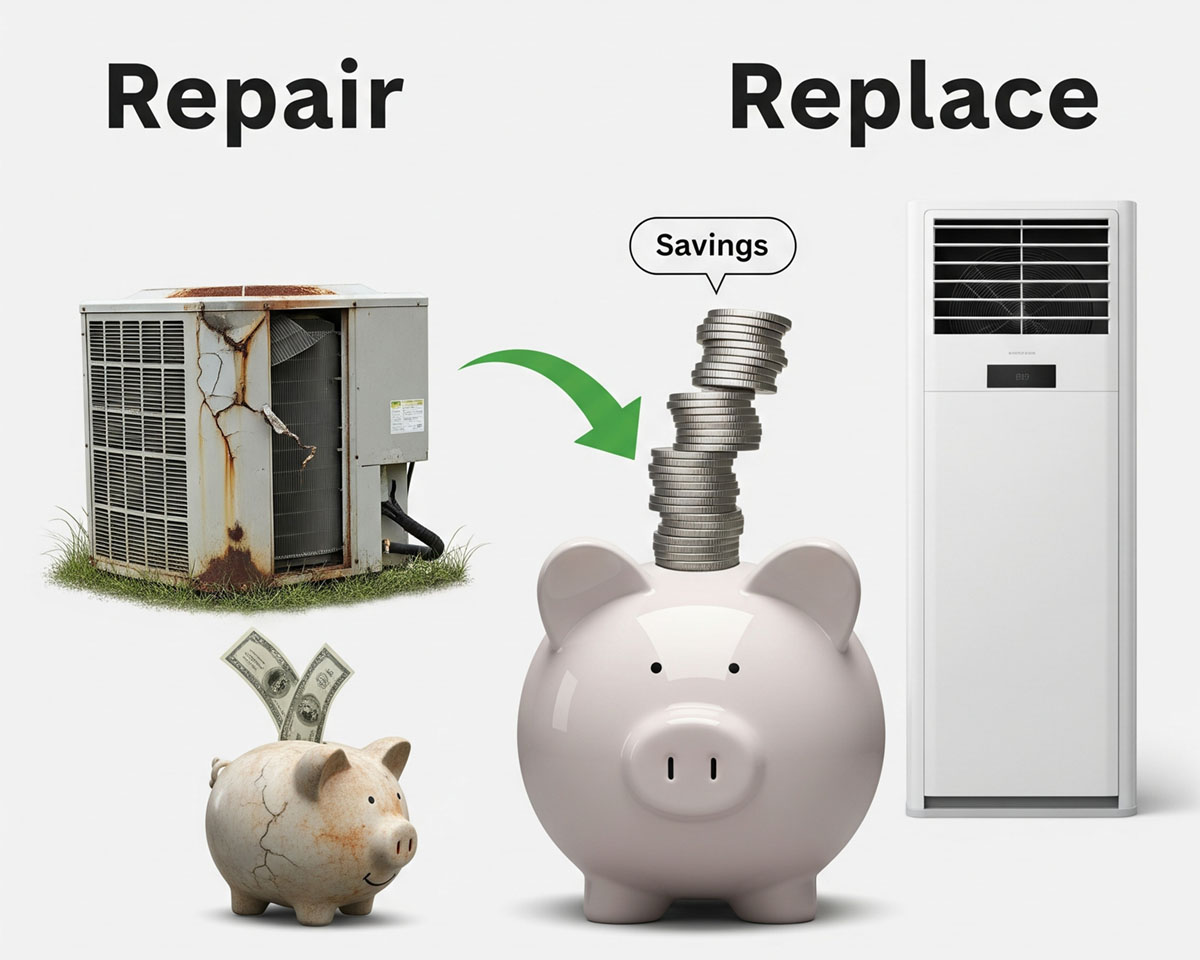
- 16+ years: Plan replacement, repairs often exceed 50% of new system cost
Book Your Mid-Winter Heating Check
Don’t wait for a cold-snap breakdown. January maintenance appointments are still available with same-week service . 📞 Schedule Your Heating Check – (928) 768‑3761
Horizon Air LLC