If you are wondering whether it is time to replace your old heater in Arizona, you are not alone By the time mid-winter arrives in Bullhead City and the Mohave Valley, nighttime temperatures routinely drop into the low 40s.
If you are wondering whether it is time to replace your old heater in Arizona, you are not alone. By the time mid-winter arrives in Bullhead City and the Mohave Valley, nighttime temperatures routinely drop into the low 40s. Your heating system has already had plenty of chances to prove itself against these rapid desert temperature swings. Maybe it is doing great—or maybe you have noticed it struggling to keep up, making strange new noises, or demanding more frequent technician visits.
Deciding whether to repair or replace your HVAC system isn’t always easy. This week, Horizon Air Conditioning breaks down the definitive signs that your heater may be nearing the end of its life, what to consider before investing in a new system, and how to plan an upgrade on your schedule instead of during a midnight freezing emergency.
1. How Old Is Your Heating System, Really?
One of the most reliable indicators that a replacement is on the horizon is the physical age of your equipment. According to the U.S. Department of Energy (Energy.gov), standard gas furnaces are designed with a general lifespan of 15 to 20 years. However, in the dusty, high-demand environment of the Arizona desert, systems often work harder and may reach the end of their efficient lifespan closer to the 12-to-15-year mark.
Locating Your System’s Age: Check the make, model, and serial number on your furnace or heat pump’s interior panel or data plate. You can look up this serial number online or ask one of our Horizon Air technicians to decode the manufacturing year during a tune-up.
Age alone doesn’t mandate an immediate replacement. But once your heater crosses that 15-year threshold, important efficiency metrics decline. It is critical to watch daily performance and track maintenance costs carefully to avoid a catastrophic breakdown.
2. Track Repair Frequency and The "50% Rule"
A single mechanical failure is rarely a reason to replace your heating system entirely. But if you feel like you are calling your HVAC technician every time the temperature drops in Fort Mohave, it signals that your system’s core components are failing.
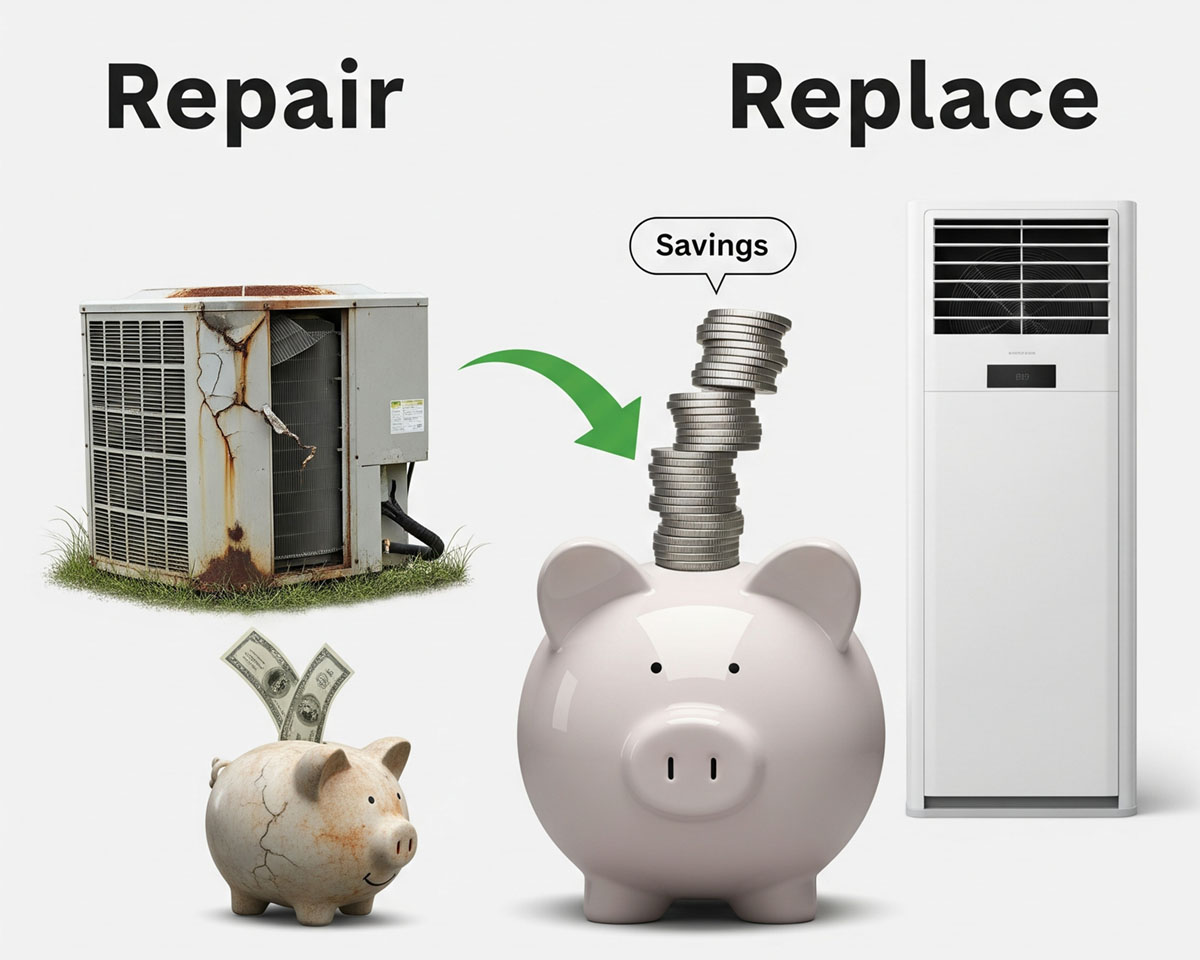
HVAC professionals generally recommend the “50% Rule”: if the cost of repairs approaches 50% of the value of a new heating system, replacement is the financially smarter choice.
Look back over the last two to three years and tally the cost of minor parts versus major component failures, like cracked heat exchangers or failing blower motors. If you are experiencing repeat issues, you are paying to patch a sinking ship. At Horizon Air, our Heating Installation & Replacement experts help homeowners run a clear cost-benefit analysis so you can invest in long-term reliability rather than chasing endless breakdowns.
3. Watch for Declining Comfort and Performance Problems
Your heater’s primary job is to keep your home consistently comfortable, even when Mohave County temperatures plummet after sunset. When an older unit struggles to maintain the thermostat setting, it indicates severe mechanical degradation or failing airflow.
Watch for these specific performance red flags:
- Inconsistent Temperatures: Some rooms feel freezing while others are stifling, even after adjusting your vent dampers.
- Short Cycling: The heater turns on and off every three to five minutes without ever satisfying the thermostat.
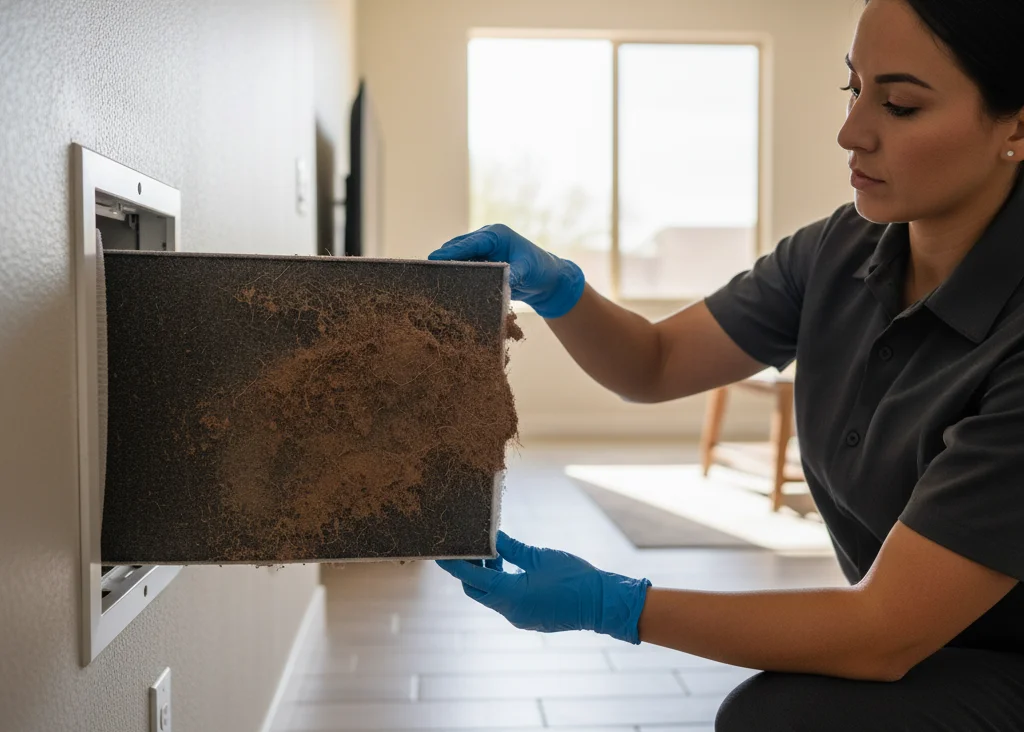
- Weak Airflow: The warm air coming from the vents feels sluggish, even immediately after replacing your HVAC filter.
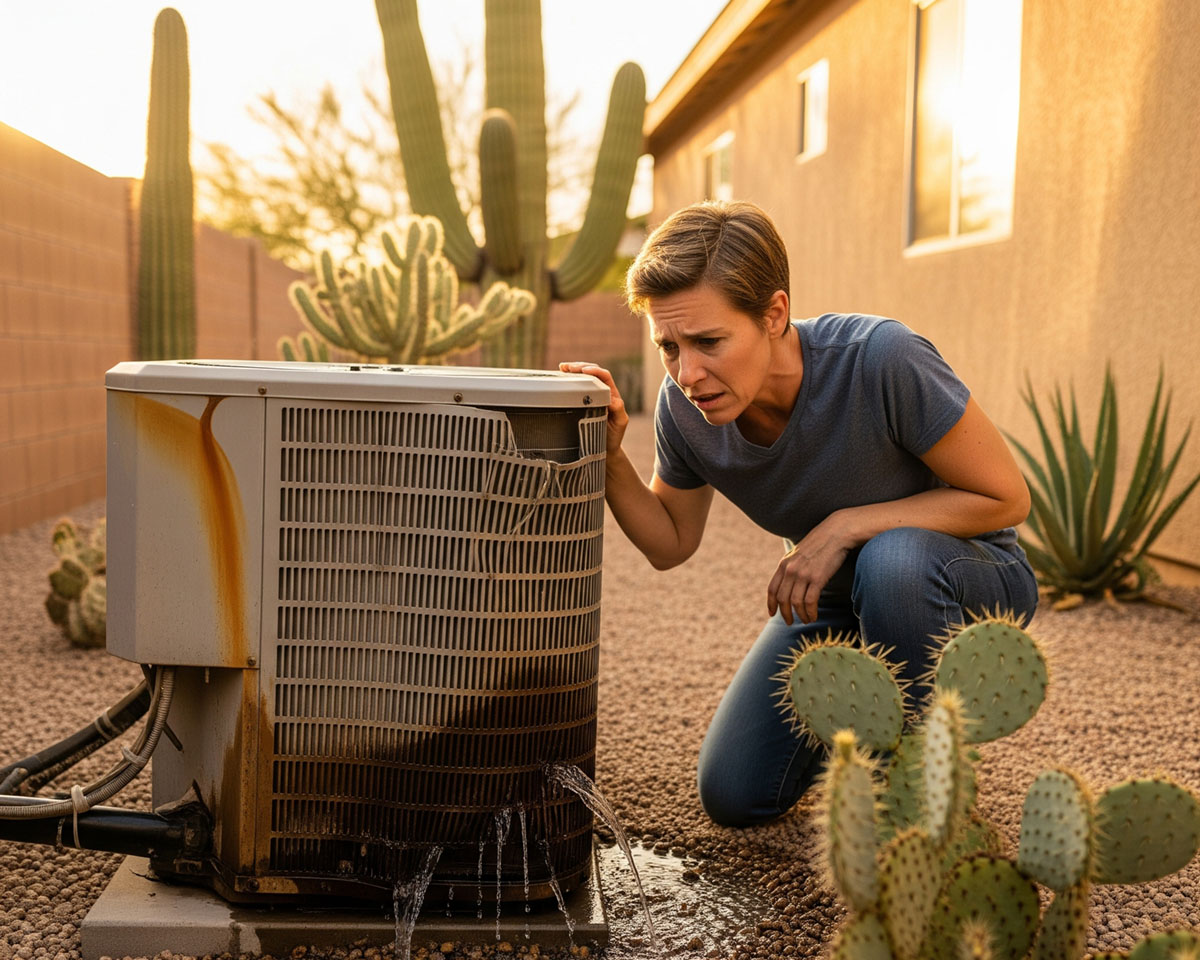
- Unusual Noises: Rattling, banging, or grinding sounds suggest loose internal components or an imbalanced blower motor.
These comfort issues do not always require a full replacement, but in a system over a decade old, they usually indicate a permanent decline in heating capacity.
4. Energy Efficiency, AFUE Ratings, and Heat Pumps
Running an obsolete heater is a direct drain on your monthly budget. Older furnaces often operate at an Annual Fuel Utilization Efficiency (AFUE) rating of 60% to 70%, meaning up to 40 cents of every dollar spent on heating is wasted through exhaust leaks.
Today’s Energy Star-certified heating systems boast AFUE ratings of 90% to 98.5%. Upgrading a severely outdated system can drastically slash your winter utility bills.
A Note on Desert Heat Pumps: In Mohave County, many homes utilize heat pumps rather than traditional gas furnaces. Because a heat pump provides both air conditioning in the summer and heating in the winter, it runs almost year-round. This continuous operation means a heat pump wears out faster than a standalone furnace, often requiring replacement closer to the 10-to-14-year mark. Upgrading a failing heat pump now not only resolves your winter chills but prepares your home for the brutal 120-degree summer heat.
Frequently Asked Questions
Quick answers for the questions homeowners ask before they call or book.
How many years should a furnace last in Arizona?
Most furnaces last between 15 and 20 years in Arizona. However, harsh desert dust and heavy reliance on the blower motor year-round can shorten this lifespan if the system lacks consistent professional maintenance.
Should I repair my 15-year-old furnace?
If the repair is minor, such as replacing a simple flame sensor or capacitor, repairing a 15-year-old furnace makes sense. If the repair involves a major, expensive component like a heat exchanger or compressor, those funds are better spent on a more efficient replacement.
What is the best month to replace a heating system?
The ideal times to replace an HVAC system in Mohave County are during the mild shoulder seasons of spring and fall. Scheduling a replacement before the mid-winter freeze or the intense summer heat ensures you won’t be left without climate control during extreme weather.
Will a new heater lower my energy bills?
Yes, modern heaters and heat pumps are significantly more energy-efficient. Upgrading from an old 70% AFUE furnace to a 95%+ AFUE model can reduce your heating energy waste by up to 25%, translating to noticeable monthly savings.
Secure Your Winter Comfort Today
Navigating the desert winter comfortably requires a heating system you can unequivocally trust. Don’t wait for your aging furnace or heat pump to fail on the coldest night of the year in Bullhead City. If you are experiencing frequent breakdowns, uneven heating, or skyrocketing energy bills, it is time for a professional assessment. Schedule a comprehensive heating system evaluation with the licensed experts at Horizon Air Conditioning. We have years of experience serving Mohave Valley homeowners, providing honest, data-driven recommendations tailored to your specific budget and home comfort needs.
Horizon Air LLC