For your heat pump in Bullhead City, don’t guess—get it right. Our essential checklist guides you through selecting, installing, and maintaining your system.
Inconsistent home comfort and unpredictable utility bills can be a constant source of frustration for homeowners. An outdated or inefficient system struggles to keep up with our climate, leaving you too hot in the summer and too cold in the winter. Choosing the right equipment is a significant decision. For a reliable and efficient heat pump in Bullhead City, a thoughtful approach is necessary to ensure long-term performance and peace of mind. This guide covers the essential steps for selecting and installing your new heat pump.
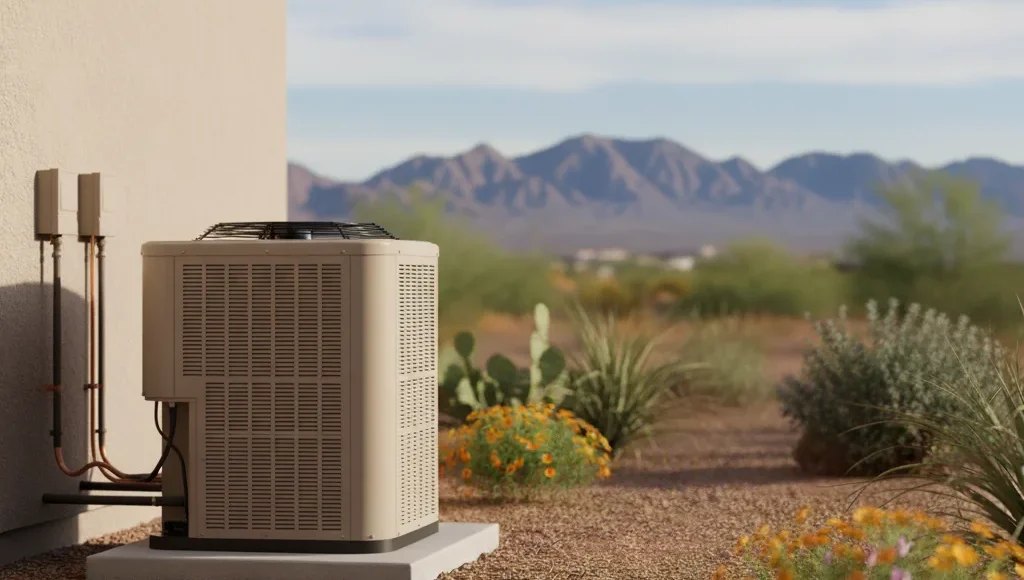
Heat Pump Bullhead City Cost Checklist: Efficiency Losses to Review
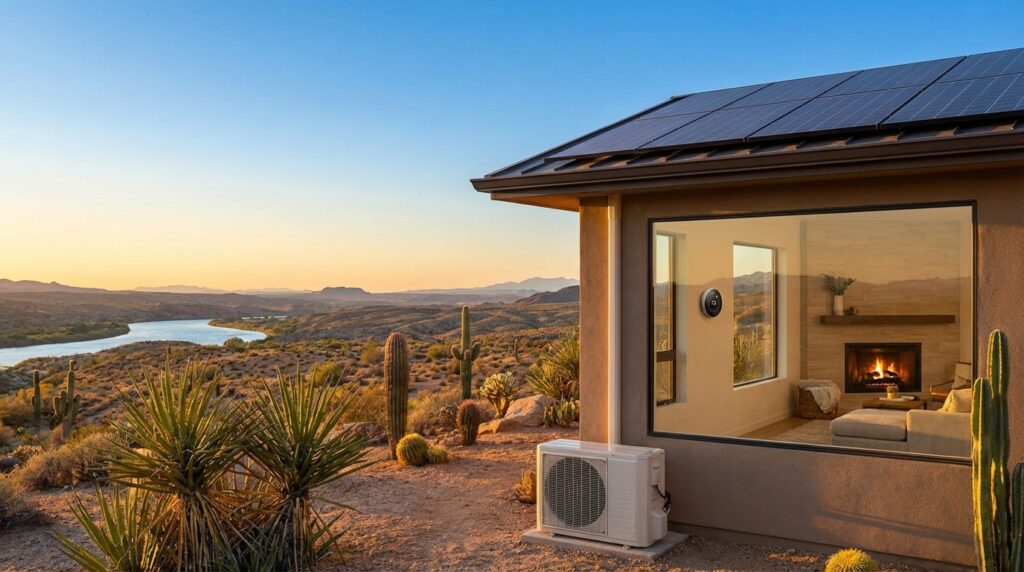
According to the U.S. Department of Energy, a typical house can lose 20% to 30% of the air moving through its duct system from leaks, holes, and poor connections. For homes in Bullhead City, Fort Mohave, and surrounding communities, this isn’t an abstract number—it’s a direct financial drain documented in national studies on air sealing by Energy.gov.
Let’s translate that to our local costs. Consider a summer electricity bill of $350, a common figure during peak heat. Applying a conservative 25% efficiency loss means you are paying $87.50 every month for cooled air that escapes into your attic or walls instead of cooling you. Over a five-month peak cooling season, that’s more than $430 wasted. When you add in the cost of running your heat on cold desert nights, the total annual loss from this inefficiency can easily surpass $600. Over five years, that amounts to $3,000 paid to your utility for energy that provided you with zero comfort.
This waste happens whether your system is old or new. Even if you invest in one of the latest high-efficiency ENERGY STAR certified heat pumps, leaky ducts force the unit to run longer and harder to reach the temperature on your thermostat. You pay for top-tier equipment, but a significant portion of its output is lost before it ever reaches your living space. This constant overwork puts extra strain on your entire system, making it harder to achieve efficient heating and cooling.
This problem is more severe here than in most parts of the country because our extreme summer heat and exceptionally long cooling season force your system to run for many more hours per day.
Why Bullhead City Homes Face This Problem Faster Than Most
Three local factors accelerate this wear and tear on your heat pump. First, extreme attic heat in Bullhead City and Fort Mohave can reach over 150°F during the summer. This intense, sustained heat effectively “bakes” the indoor components of your system, degrading wiring, capacitors, and control boards far faster than in a moderate climate.
Second, our monsoon season creates a punishing cycle of humidity. From July through September, your heat pump must switch from handling dry heat to removing significant moisture from the air. This constant, heavy load on the evaporator coil, combined with airborne dust, can lead to accelerated corrosion and reduced efficiency. The system works harder just to maintain the same indoor temperature, stressing the compressor and fan motors.
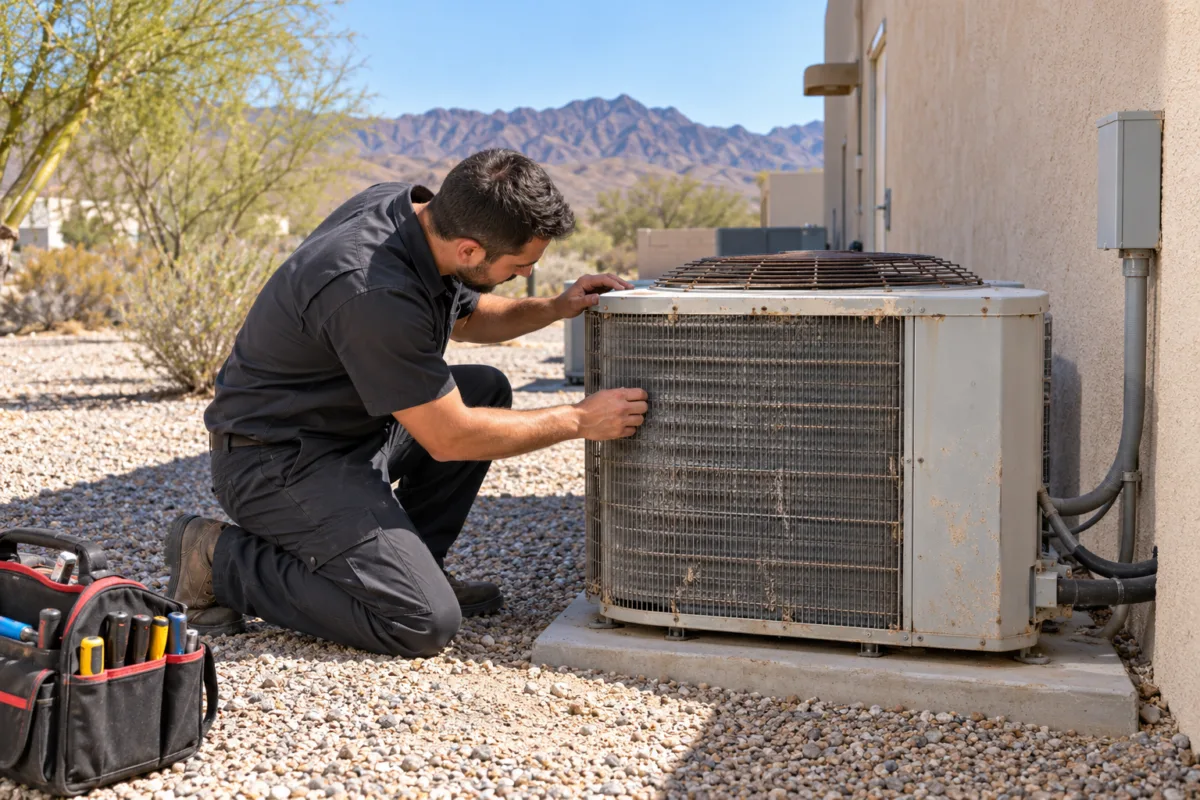
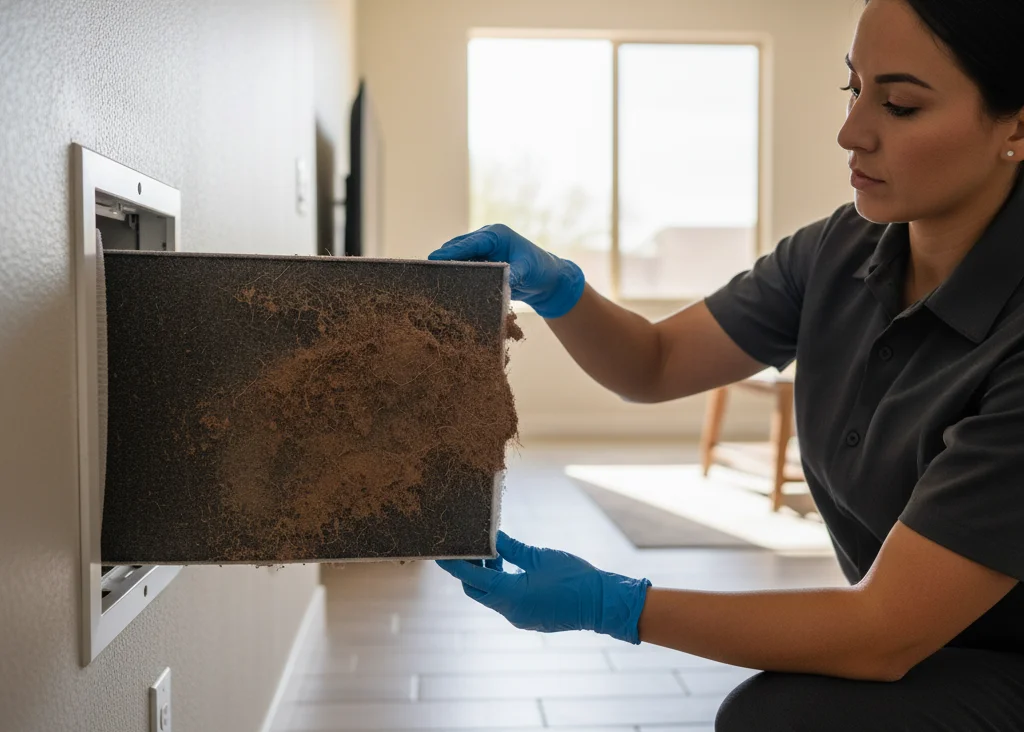
Finally, the fine desert dust that sweeps through Mohave Valley and Golden Shores is highly abrasive. It coats the fins of your outdoor unit, acting like an insulating blanket and forcing the system to run longer to release heat. This same grit wears down the bearings in your outdoor fan motor, leading to eventual seizure and failure. This is different from simple filter changes; the dust infiltrates the entire outdoor unit. The combination of these factors means a heat pump that might last 15 years elsewhere often faces major component failure in just 7 to 10 years in our Tri-State climate. Understanding how a heat pump works can help you spot the early signs of this strain.
Key Heat Pump Bullhead City Questions Before You Replace Equipment
Is your air conditioner or furnace more than 12 years old? HVAC systems in the Bullhead City area work extremely hard, and equipment life is often shorter here than in milder climates. After a decade of fighting 115-degree summer days, older units lose efficiency and become more prone to expensive breakdowns.
Have your utility bills from Mohave Electric Cooperative been rising year over year? If your usage habits haven’t changed but your bills are climbing, your system is likely losing its ability to cool and heat your home efficiently. This is a classic sign of declining performance, prompting many to seek more energy-efficient heating and cooling options.
Does your system struggle to keep the house comfortable? Noticeable hot spots in some rooms, or a system that runs constantly without reaching the thermostat setting, are clear symptoms of a problem. This poor performance not only makes summer difficult but can also lead to an unexpected heater failure on a cold Mohave Valley winter night.
Have you recently renovated or added on to your home? Adding a room, enclosing a patio, or even just installing larger windows changes the cooling and heating load on your house. An older system that was sized for your original floor plan may now be too small to handle the increased demand in your Golden Valley or Fort Mohave home.
Are your system’s major components mismatched in age? If you replaced the outdoor condenser a few years ago but kept the original indoor air handler from the 1990s, your system cannot perform at its rated efficiency. A matched system, where all components are designed to work together, is essential for reliable comfort in Laughlin and Needles.
If you answered “yes” to two or more of these questions, it is a reasonable basis for booking a professional inspection. It suggests your current setup may be costing you in high utility bills and unreliable comfort. An expert evaluation can determine if an upgrade is practical, and if you’re curious about the technology, you can learn more with our guide to how heat pumps work.
What a Professional Heat Pump Bullhead City Inspection Covers
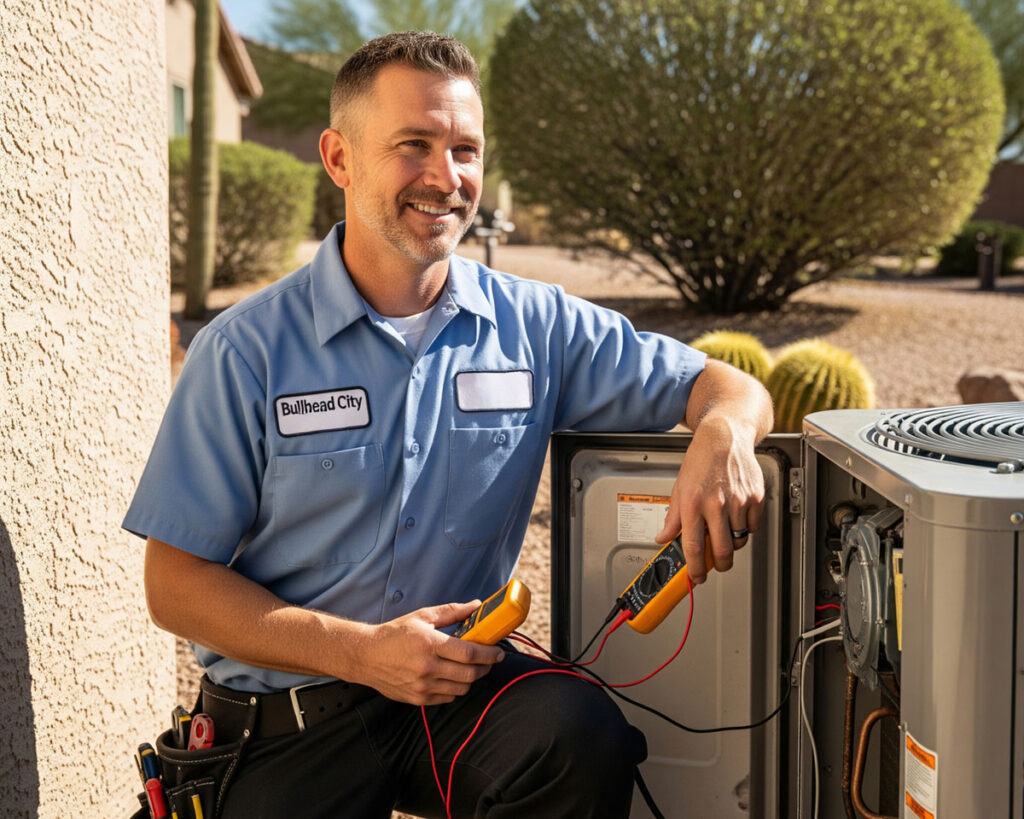
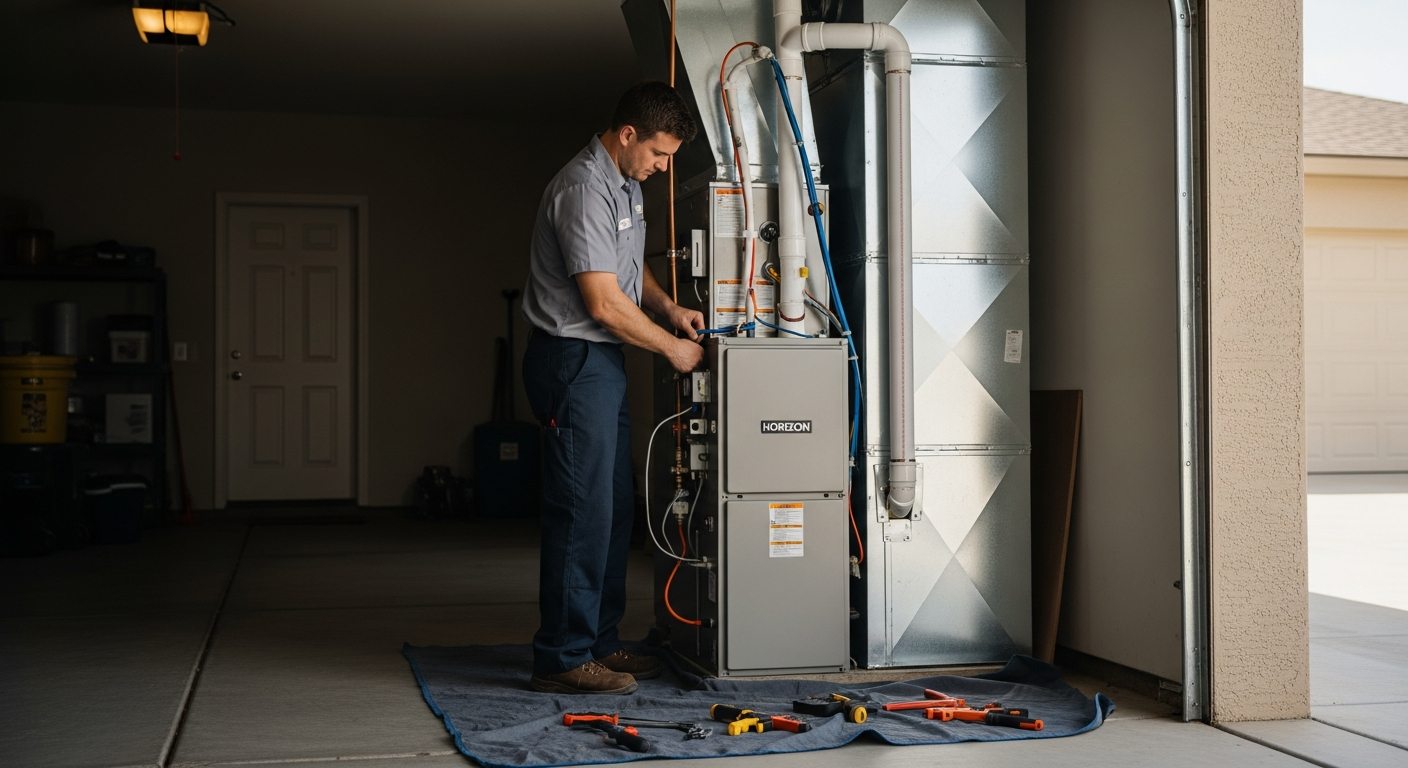
When a Horizon Air Conditioning & Heating technician arrives at your home in Bullhead City or a neighboring community, the process is straightforward and transparent.
-
Visual Inspection: First, our licensed technician performs a detailed visual check of your indoor and outdoor units. We look for issues common in our desert climate, like dust buildup from monsoon season and component stress caused by the extreme summer heat in places like Fort Mohave and Needles.
-
Performance Baseline: Next, we measure key performance indicators such as refrigerant pressure and electrical draw. This data gives us a baseline of how your system is currently operating and whether it’s working harder than it should to cool your home.
-
Tune-Up Service: With a clear picture of your system’s condition, we perform the tune-up. This involves cleaning critical components, tightening connections, and lubricating moving parts to improve efficiency and reliability for the demanding seasons ahead in the Tri-State area.
-
Verification and Report: After completing the work, we test the system again to verify its improved performance. You will receive a straightforward report outlining our findings and the services performed, so you know exactly what was done. For a deeper look into how these systems function, you can explore our guide on the fundamentals of heat pump technology. This process ensures your unit is prepared for everything from a scorching Mohave Valley summer to a chilly winter night.
Heat Pump Bullhead City Budget, Savings, and Payback Factors
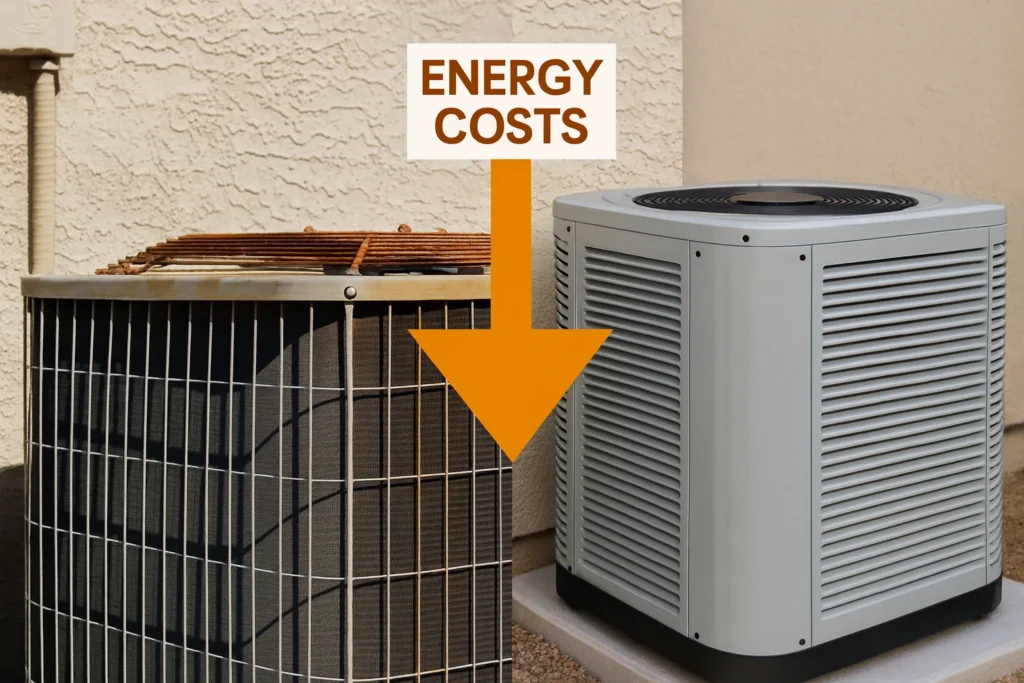
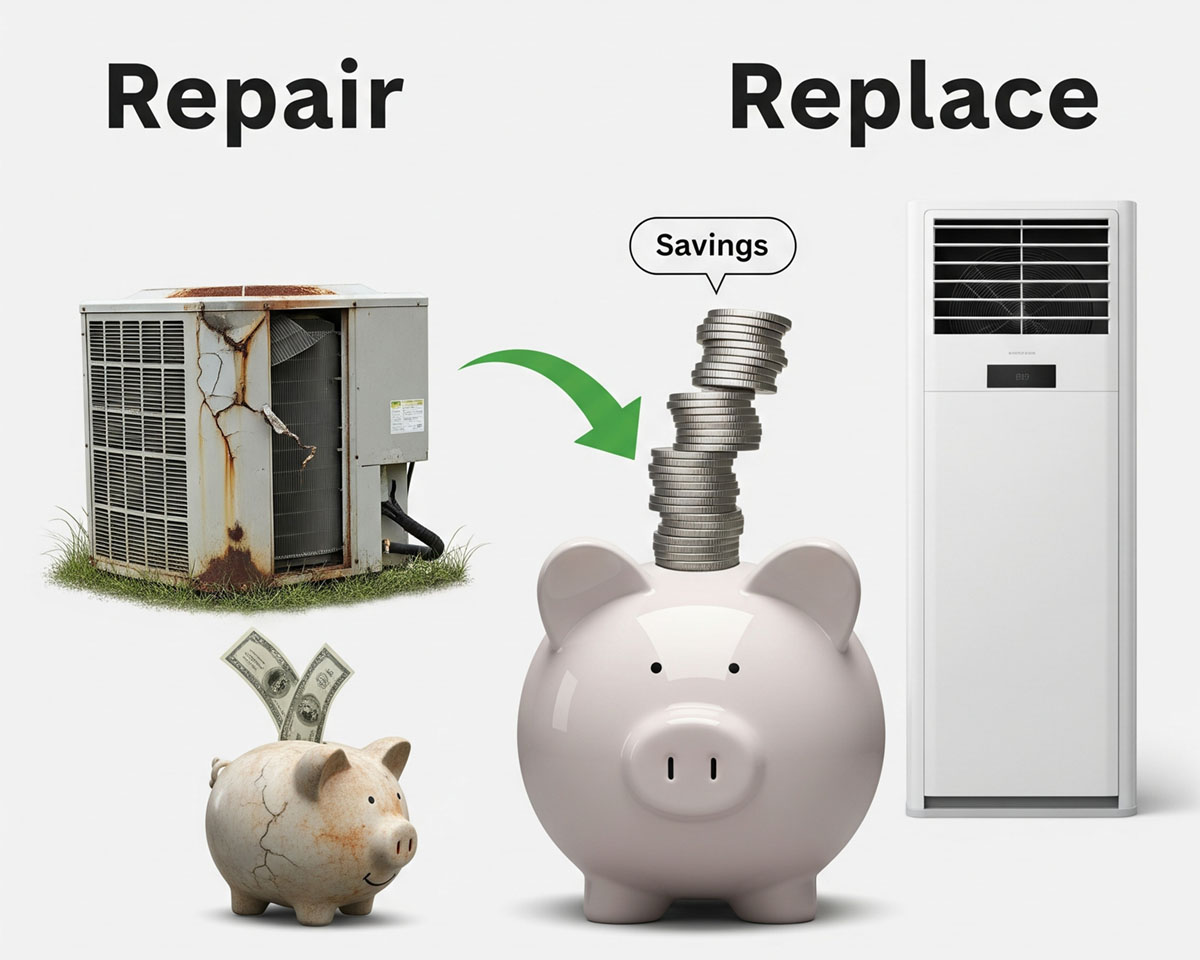
The cost of a new heat pump in Bullhead City depends entirely on the scope of work. A straightforward repair is the lowest-cost starting point. A full system replacement is a significant home investment that requires a detailed, written estimate. The final quote for a new installation is influenced by the system’s size (tonnage), its efficiency rating (SEER2), and site-specific factors like the condition of your existing ductwork, electrical panel capacity, and physical access to the unit’s location.
To understand the payback period, you can calculate your potential savings. First, estimate your annual savings. If a new, high-efficiency unit is 30% more efficient than your old one, the math looks like this:
- Monthly Savings: (Your Average Summer Electric Bill) × 0.30
- Annual Savings: (Monthly Savings) × 12
Next, determine the payback period:
- Payback in Years: (Total Installation Cost) ÷ (Annual Savings)
This simple calculation shows how quickly the upfront investment begins to pay for itself through lower utility bills, a major factor given the intense summer heat in Mohave Valley.
You may be able to reduce your initial cost through rebates and tax credits. Utility providers like Mohave Electric Cooperative (MEC), APS, and UniSource often offer programs for installing ENERGY STAR certified heat pumps. These programs and their rebate amounts change, so you should always check with your specific provider for current availability. Additionally, you may qualify for federal energy efficiency tax credits; consult a tax professional to see if the 25C tax credit applies to your situation. For a detailed quote tailored to your home and to discuss your options for more efficient heating and cooling, contact Horizon Air Conditioning & Heating.
To get a firm estimate for your home, call us at (928) 768-3761 or request an inspection through our heat pump services page.
Ready to discuss your heat pump options in the Bullhead City area? Our experienced team is here to provide professional advice and expert installation services. Trust a licensed and qualified contractor for your home comfort needs. Call us today at 928-768-3761 to schedule a consultation. Our ROC is license #344248.
How a Heat Pump Protects Bullhead City HVAC Equipment Long-Term
Your central air conditioner is one of the most significant investments in your home. In a place like Bullhead City or Fort Mohave, where summer temperatures demand near-constant cooling, your system’s components accumulate thousands of operating hours each year. A heat pump helps protect that investment by reducing this mechanical strain.
Think of it in terms of run-hours. During our long cooling season, a high-efficiency heat pump can handle a significant portion of the cooling load, reducing the number of hours your primary AC compressor and blower motor need to run each day. Over a full Mohave Valley summer, those saved hours add up, potentially sparing your equipment hundreds of hours of wear and tear annually. This directly translates to a longer potential lifespan for the most critical and expensive parts of your HVAC system.
The same principle applies during our mild winters. Instead of firing up your furnace for a chilly night in Golden Valley or Laughlin, the heat pump can provide consistent warmth. This gives your furnace a break, saving wear on its ignitor, gas valve, and heat exchanger. By sharing the workload year-round, a heat pump acts as a partner to your existing equipment, helping you get the most out of your system and promoting more energy-efficient heating strategies in the process.
Frequently Asked Questions
Quick answers for the questions homeowners ask before they call or book.
What should I budget for a new heat pump installation in Bullhead City?
A new heat pump installation budget in Bullhead City falls into three general tiers. Entry-level systems provide reliable, standard-efficiency heating and cooling. Mid-range models offer higher SEER ratings for better performance in our desert heat. Premium, high-efficiency units deliver maximum comfort and energy savings, ideal for extreme Mohave County summers. The final cost depends on system size and your home. For an accurate price, schedule a professional, written estimate with our team.
Is a heat pump a worthwhile investment for a Bullhead City home?
Yes, a heat pump is an excellent investment for homes in Bullhead City and the surrounding Mohave County area. Modern systems provide extremely efficient air conditioning to handle our intense summer heat, plus effective heating for cold winter nights. This all-in-one solution can significantly lower your year-round energy bills. For a personalized assessment of how a new heat pump would perform in your home, schedule a professional consultation with our team.
When is the best time of year to replace a heat pump in Bullhead City?
The best time for a heat pump replacement is during the fall (October-November) or spring (March-April). Scheduling installation during these milder shoulder seasons prevents an emergency breakdown in the middle of a 115°F Bullhead City summer. This proactive approach ensures your home is prepared for Mohave County’s extreme temperatures and allows for a smoother, non-emergency process with more flexible scheduling.
How long does a typical heat pump installation take?
Most heat pump replacements in the Bullhead City and Fort Mohave area are completed in a single day. Our licensed technicians manage the entire process, from removing the old unit to commissioning the new system for Mohave County’s intense summer heat. Projects requiring significant ductwork or electrical modifications may take longer, but we provide a clear, detailed timeline with every written estimate before work begins.
What credentials should I look for in a Bullhead City heat pump contractor?
Your contractor must be licensed, bonded, and insured. Specifically, verify their Arizona Registrar of Contractors (ROC) license—ours is ROC #344248. For a heat pump installation in the Bullhead City area, also demand deep local experience. A company that has serviced Mohave County systems since 1976 understands our extreme desert climate, ensuring your unit is installed correctly for both brutal summers and our surprisingly cold winter nights.
What are the common signs that my heat pump needs to be replaced?
Your heat pump likely needs replacement if it is over 10-15 years old, requires frequent, costly repairs, or causes spiking energy bills. In the Bullhead City area, a key sign is its inability to keep your home cool during our intense summer heat. Strange noises or inconsistent performance also indicate it’s time for a professional inspection to assess whether a new, more efficient system is the right solution.
Horizon Air LLC