Grinding noises, short bursts of heat, a yellow flame or a rising winter bill mean your furnace may be near its end. A gas smell or a carbon monoxide alarm means get everyone outside and call 911.
Your furnace probably needs replacing when it shows several warning signs at once. One sign alone often has a simple fix, such as a dirty filter. The six signs are listed below.
A gas smell, a burning smell or a carbon monoxide alarm is different. Get everyone outside and call 911 from outside. In Fort Mohave, Bullhead City, Mohave Valley and Golden Valley, furnaces sit idle through long hot summers. Problems often show up on the first cold night.
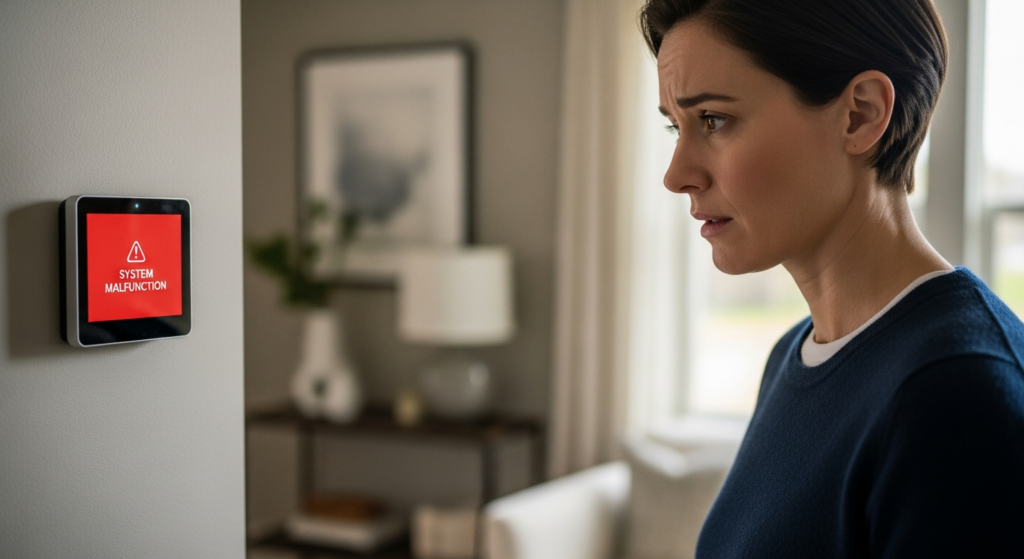
Six signs your furnace is wearing out

Each sign below can point to a worn part or a build-up of dust. Count how many you notice.
- Grinding, squealing or banging. These sounds usually mean a worn moving part.
- Heat in short bursts. A furnace that starts and stops every few minutes is short cycling. A clogged filter is a common cause, so check it first.
- A yellow or flickering flame. A healthy burner flame is steady and blue. Dust can build up on the burners.
- Cold rooms. Weak airflow can come from a tired blower or from leaking ducts.
- Rust or water marks. Rust on metal parts or water around the furnace is a reason to have it inspected.
- A climbing winter bill. A furnace that runs longer to reach the same temperature can raise your bill.
As a rule of thumb, one sign on a furnace that otherwise works usually points to a repair. Three or four signs together are a reason to ask a technician about replacement.
Write down the date, the sound or smell, and whether the filter was clean each time something seems off. A short log gives a technician a clearer picture than a memory of “it was loud last week.”
Safety signs that mean stop and call
Some signs are about safety, not age. If you notice any of these, act on it and then call a professional:
- A rotten-egg or gas smell. Leave the home and call 911 and your gas company from outside. Do not touch the thermostat.
- A burning or electrical smell from the vents. Leave the home and call 911 from outside. Do not restart the furnace.
- A carbon monoxide alarm that sounds. Get everyone outside into fresh air and call 911.
- Soot or scorch marks around the furnace. With no gas or burning smell, turn the furnace off at the thermostat. Do not restart it.
According to the CDC, gas- and oil-burning furnaces can produce carbon monoxide. The CDC lists headache, dizziness and weakness among the common signs of exposure. It also says to place detectors near every sleeping area in your home.
The Southwest Gas safety page says to exit the building immediately if you smell natural gas. Then, from a safe place, call 911 and Southwest Gas.
For carbon monoxide, the same page says to leave the premises and get into fresh air immediately. It says to call 911 or your local emergency number.
According to the U.S. Consumer Product Safety Commission, more than 200 people in the United States die every year from accidental non-fire related CO poisoning associated with consumer products. It advises CO alarms on every level of the home.
Repair or replace: a simple rule
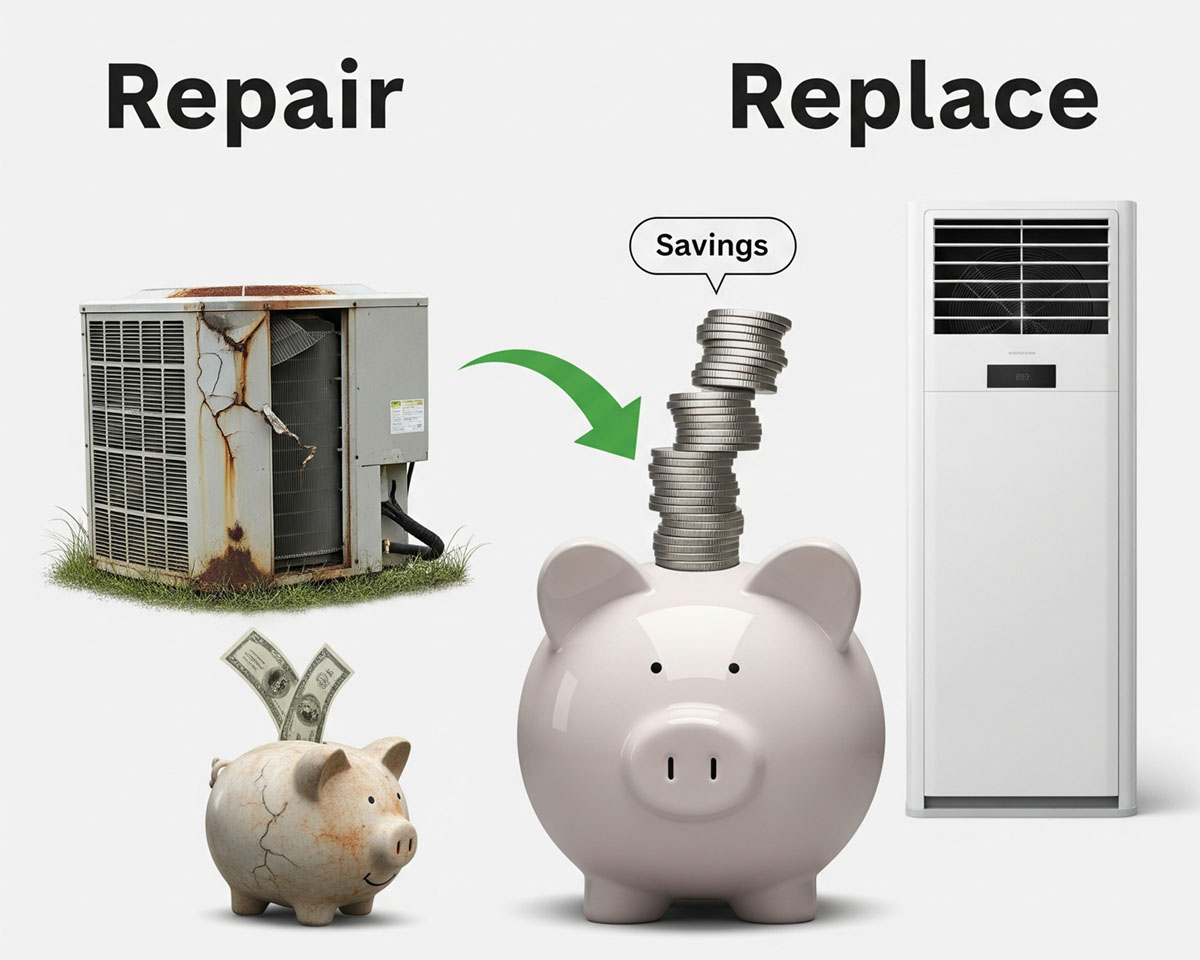
Repair makes sense when one part fails on a furnace that otherwise runs well. Replacement makes sense when several signs pile up, repairs keep coming back, or an inspection finds rust or damage that affects safety.
Before you agree to a repair, ask what failed, what it costs and what is likely to wear out next. Those answers show whether another repair is worth the money. When you call, have the furnace’s age and the signs you have noticed ready.
A new furnace is also more efficient. AFUE is the efficiency rating on a furnace label, and a higher number is better. According to ENERGY STAR, qualifying gas furnaces need 95% AFUE in the U.S. South and 97% in the U.S. North. ENERGY STAR lists Arizona in the South, so 95% applies here. If you decide to replace, see our heating installation and replacement page.
The U.S. Department of Energy announced on September 29, 2023 that new non-weatherized gas furnaces must reach 95 percent AFUE. The standards take effect in late 2028, and the previous ones were last updated in 2007. On June 8, 2026 the Supreme Court vacated a lower court ruling and sent the case back to the D.C. Circuit, Contracting Business reported on June 9. The same report says the rule “remains in effect while the case is reconsidered.” It says DOE is also considering a delay to Jan. 1, 2030. “No final decision has been announced.” The delay rests on that report. DOE’s own 2023 page does not mention it.
What to check yourself before you call
Three quick checks can rule out a simple problem. Do them with the furnace off.
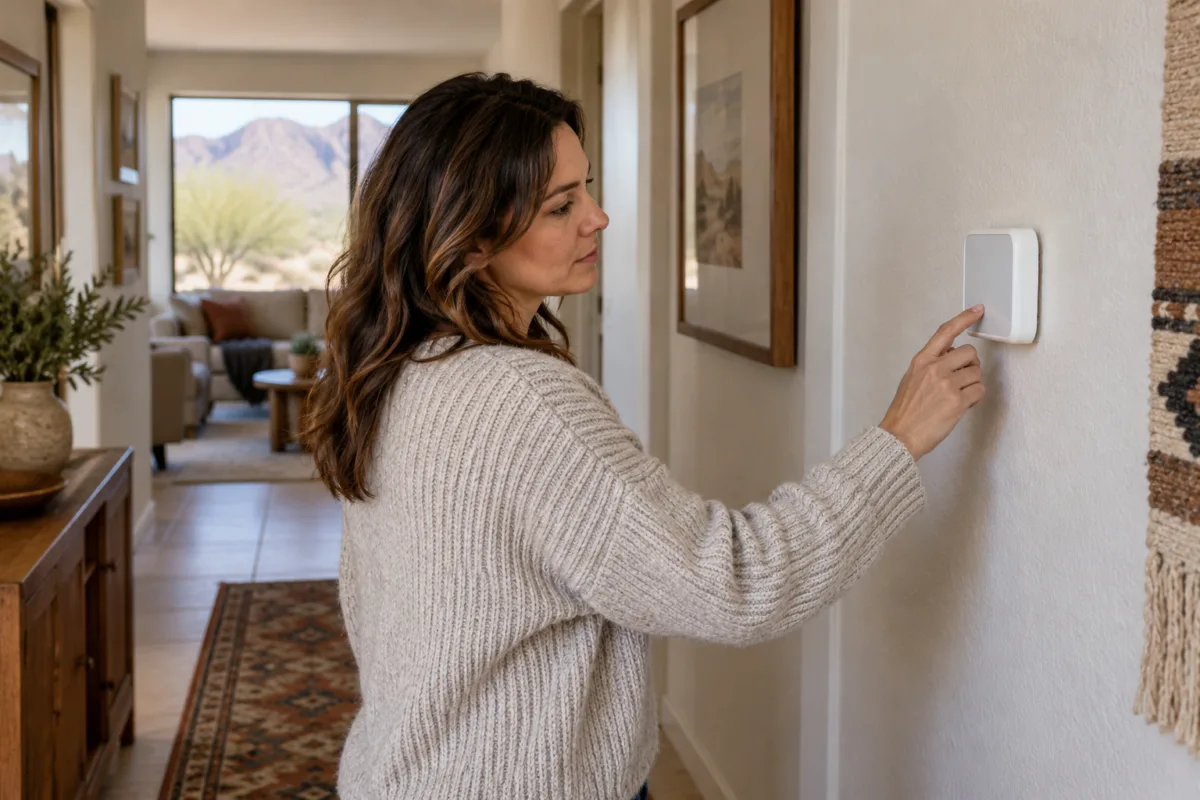
- Thermostat. Make sure it is set to heat and has fresh batteries.
- Breaker. Look for a tripped switch for the furnace in your breaker panel.
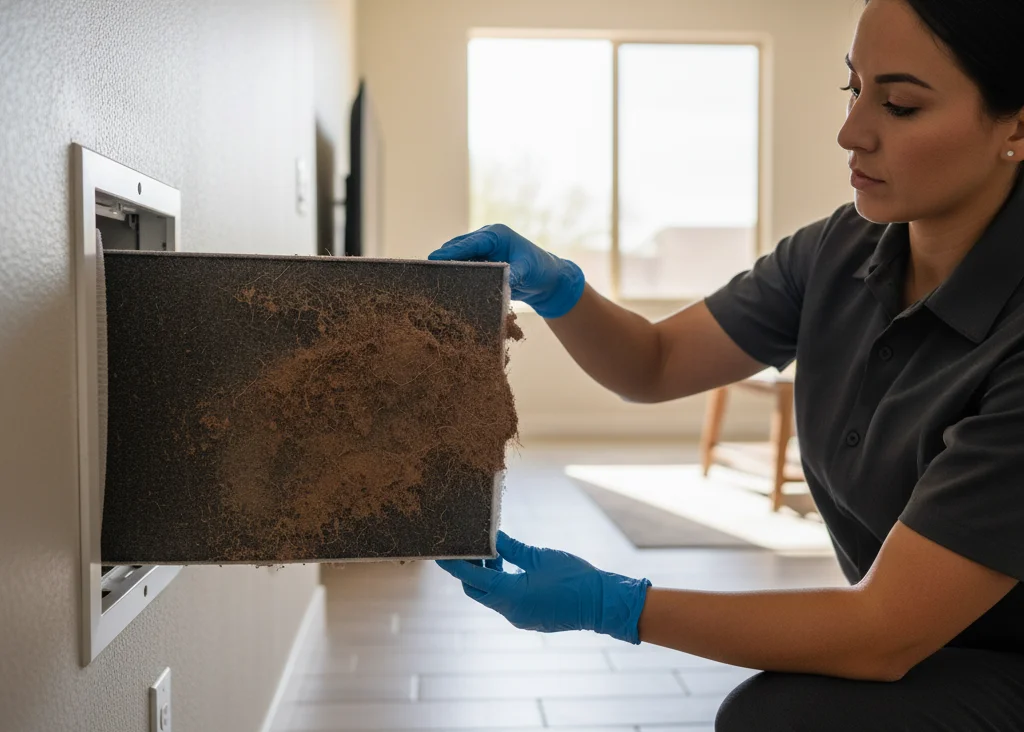
- Filter. Dust clogs filters fast in this desert. A clean filter can fix weak airflow and short cycling.
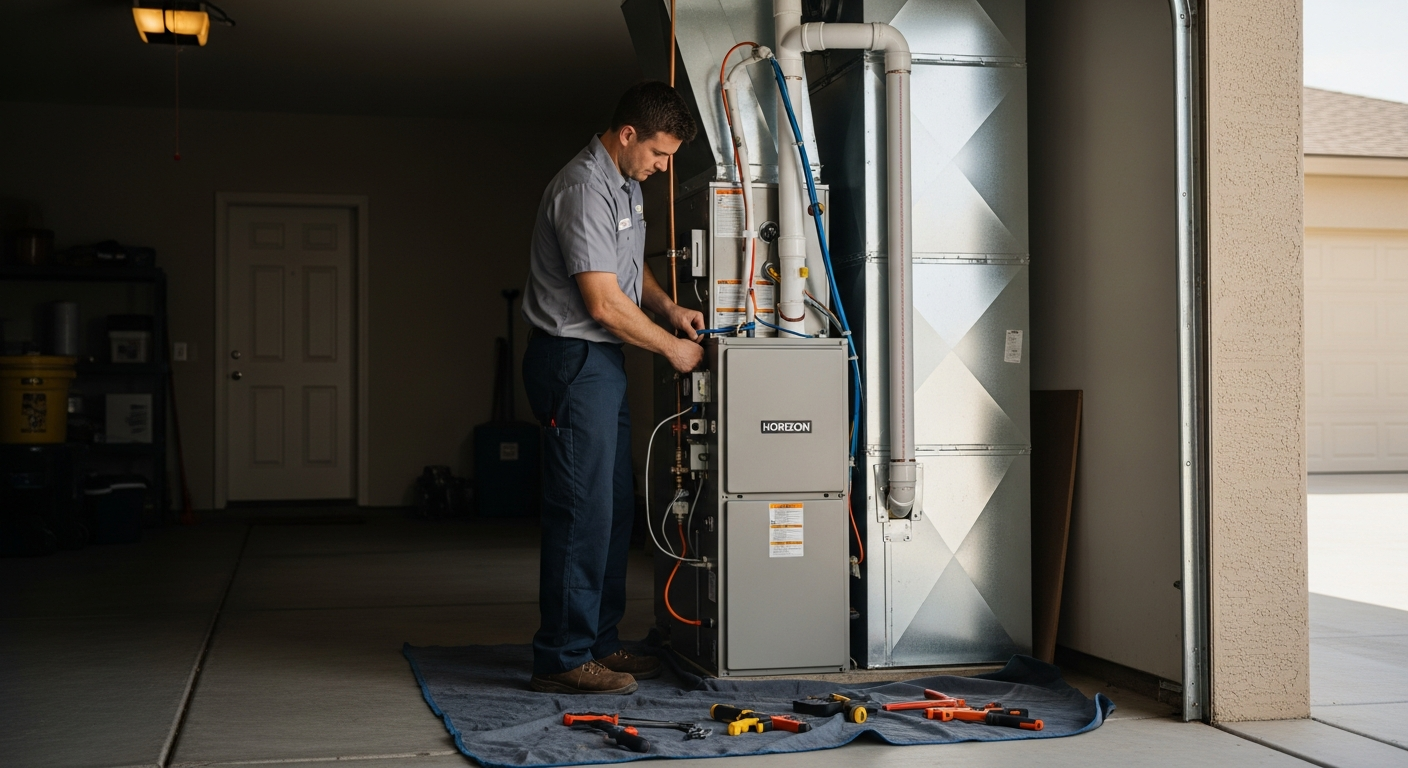
Do not open the furnace panel or relight a pilot light yourself. If the checks do not help, see our heating repair page. The CDC also says to have your heating system serviced by a qualified technician every year, which is what heating maintenance is for.
Frequently Asked Questions
Quick answers to the questions people ask before they call.
Does a yellow burner flame mean I need a new furnace?
Not always. Dust on the burners can cause a yellow flame. Either way, turn the furnace off and have a professional look at it. A poor flame can mean unsafe burning.
Does short cycling mean my furnace is finished?
Not always. A clogged filter can make a furnace shut off early. Replace the filter first. If the furnace keeps starting and stopping, call a professional.
Which towns does Horizon Air LLC serve?
Horizon Air LLC serves Fort Mohave, Bullhead City, Mohave Valley and Golden Valley.
About Horizon Air LLC
Horizon Air LLC is a family-owned, local company founded in 1976. We are licensed, bonded and insured (ROC #344248).
Contact Horizon Air LLC
Seeing the signs? Call (928) 768-3761 or send a message through the contact page. Tell us what you hear, smell or see, and which town you live in.
Horizon Air LLC