<figcaption style=”font-size:.85rem;color:#555;margin-top:.4rem;”>
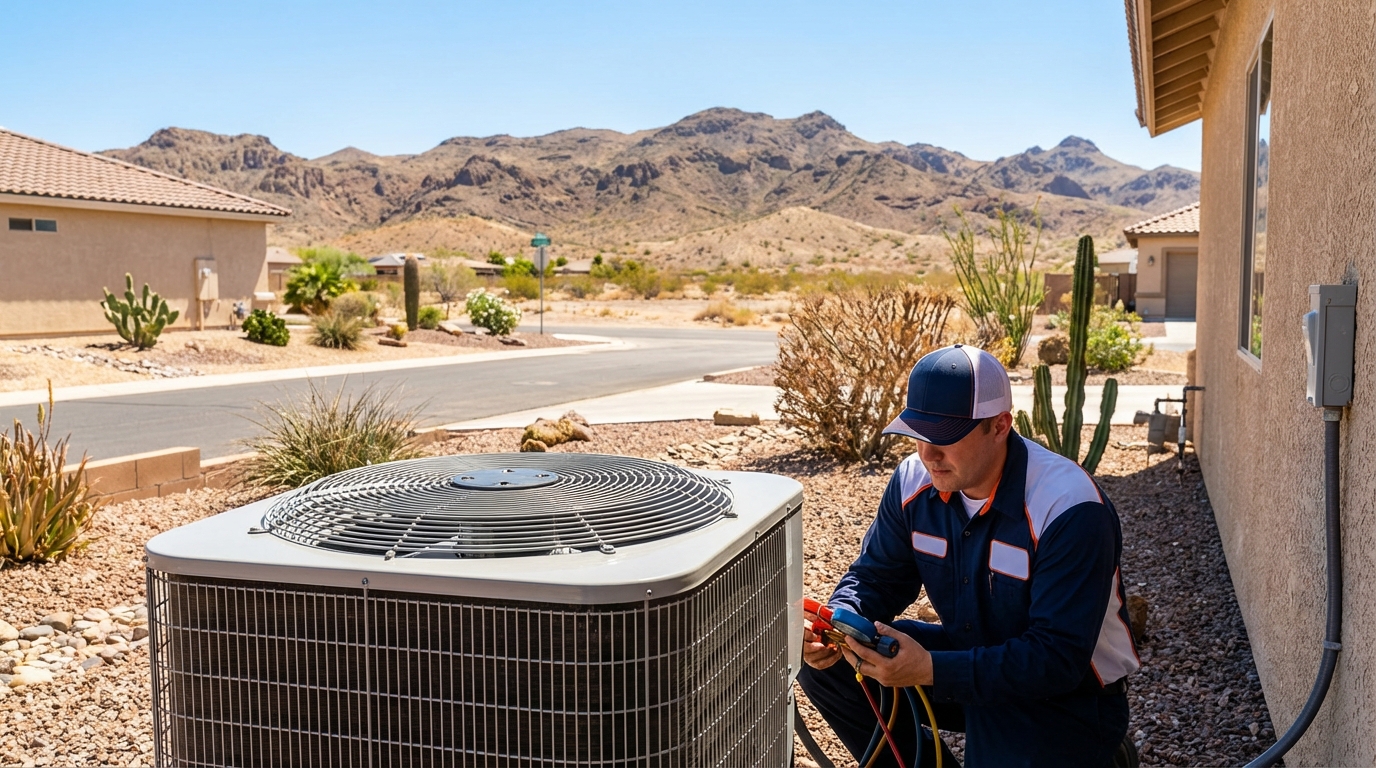
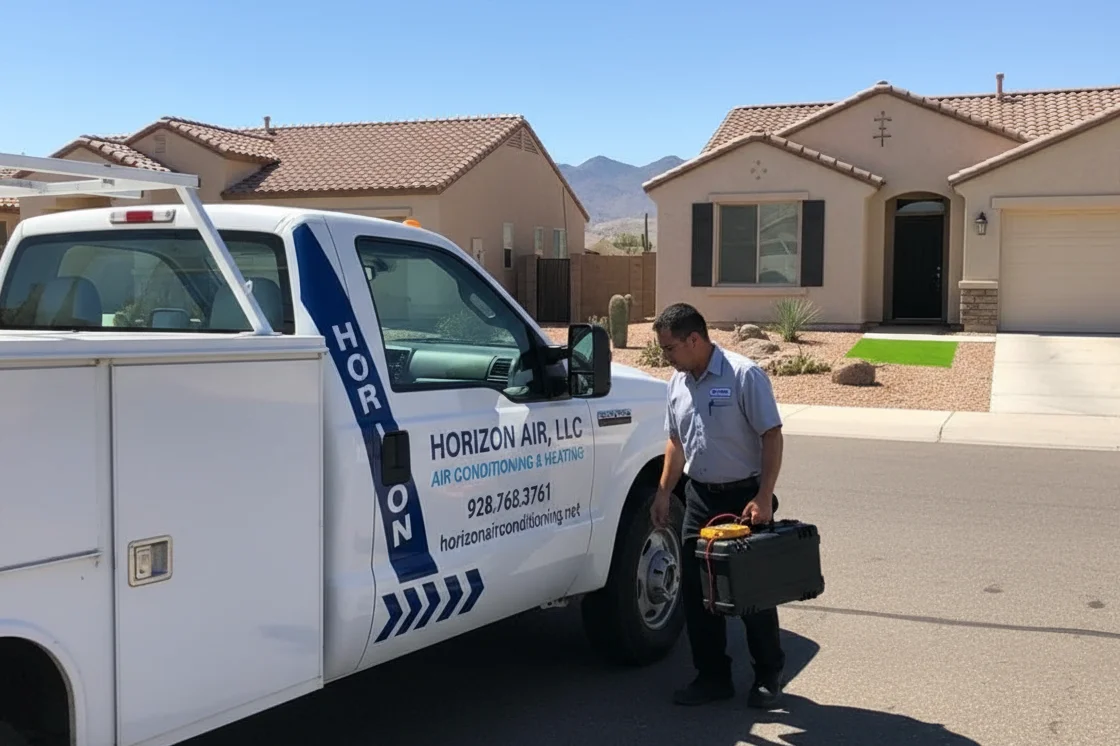
Proactive care Fall filter changes keep desert dust out of your home’s HVAC system.
</figcaption>
</figure>
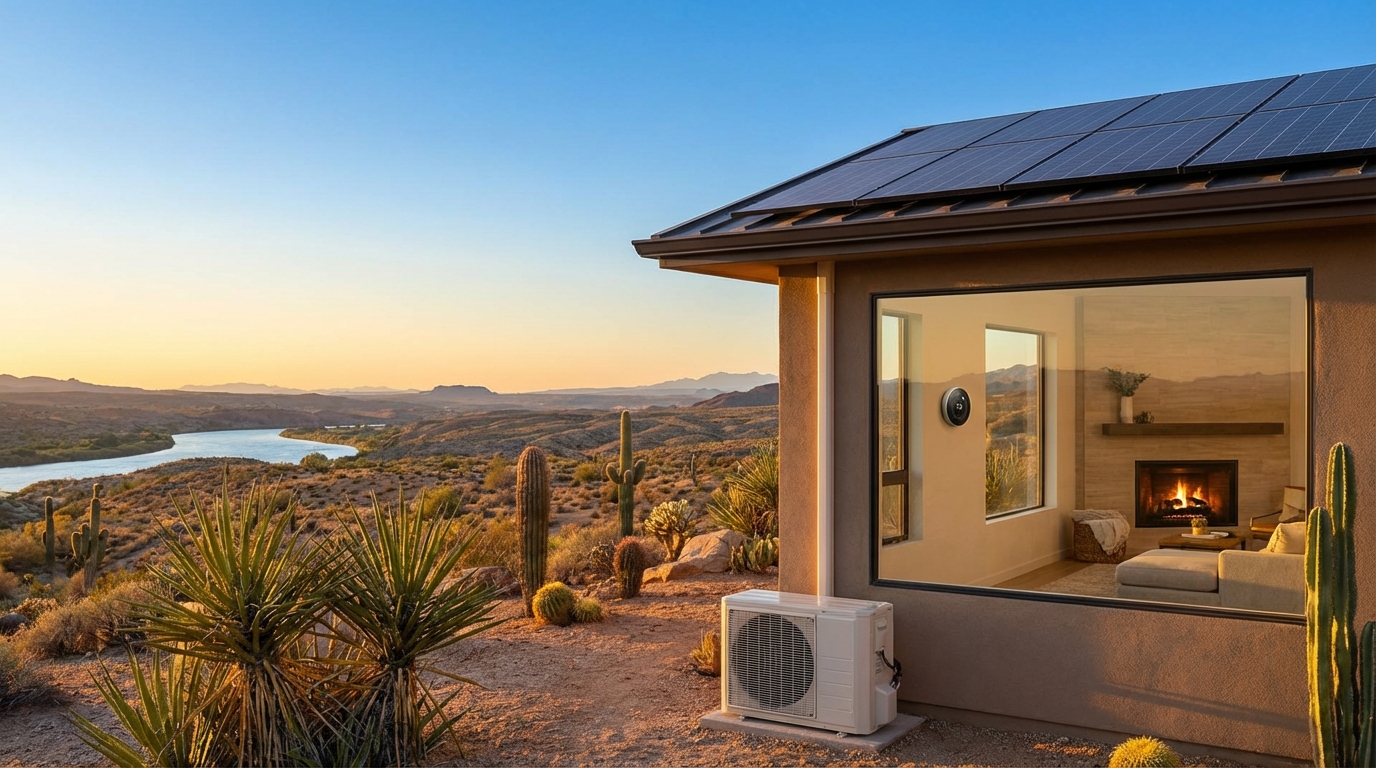
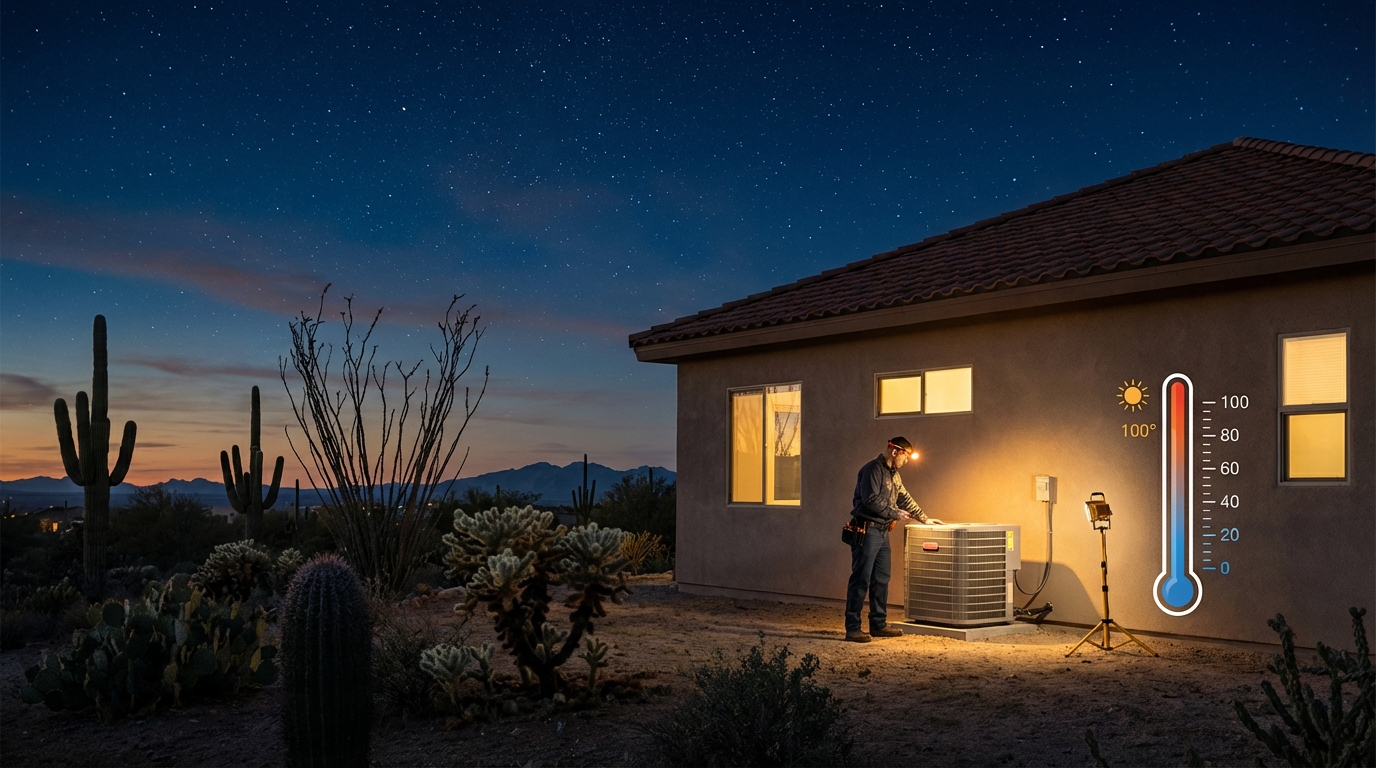
Living in Mohave Valley means dealing with a climate that doesn’t follow standard rules. While the rest of the country is bundling up, we are often still running our AC units well into late October, only to switch abruptly to heating when desert temperatures plummet overnight. This constant switching between heating and cooling places immense strain on your HVAC system.
At Horizon Air LLC, we see a consistent pattern every fall: homeowners skip their seasonal check-up because the weather seems mild, only to face a breakdown during the first real freeze of the year. The data from our service calls in Fort Mohave and Bullhead City confirms that proactive maintenance isn’t just a suggestion—it is the only way to extend the lifespan of your unit in our harsh desert environment.
Here is what you need to know to keep your system running and why a professional heating and cooling check is your best defense against costly repairs.
The “Summer Hangover”: Why Systems Fail in Autumn
Your air conditioner just ran a marathon. During a typical Mohave County summer, your AC unit likely ran for 2,000+ hours, battling 115°F+ temperatures. By the time autumn arrives, critical components are fatigued.
Without a proper inspection, minor wear and tear from August can turn into a major heating repair bill in December. The most common issues we identify during post-summer inspections include:
- Stressed Capacitors: These electrical components store energy to start your compressor. High heat degrades them rapidly. A weak capacitor might work now but will fail when the system tries to engage the heat pump on a cold morning.
- Refrigerant Leaks: Vibration from constant operation can cause micro-cracks in copper tubing. Low refrigerant levels will cause your system to freeze up, even in heating mode.
- Contactor Pitting: The electrical switches in your outdoor unit get pitted and burned from thousands of on/off cycles, leading to electrical arcing.
Dust and Debris: The Silent HVAC Killers in Arizona
Unlike other regions, Mohave Valley faces intense dust storms and wind events. This environmental debris is the number one cause of heating and air conditioning service calls in our area.
<figcaption style=”font-size:.85rem;color:#555;margin-top:.4rem;”>
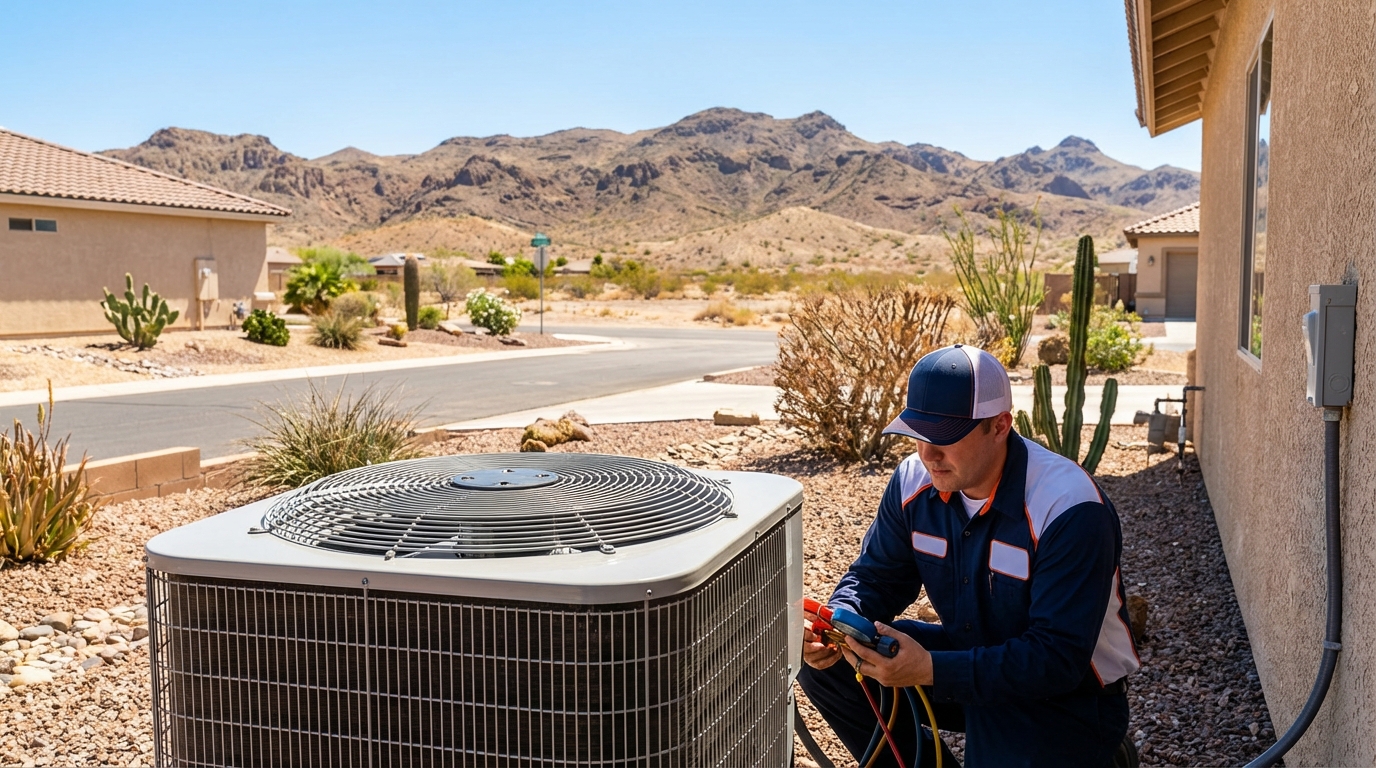
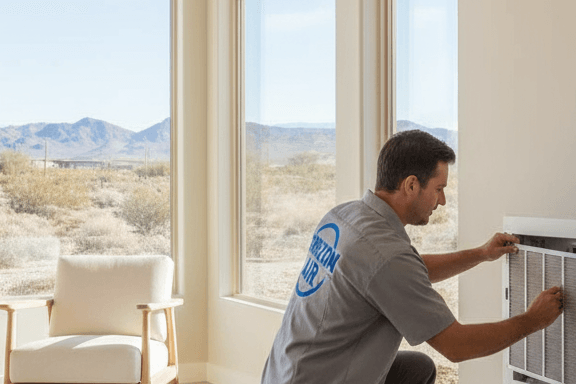
Local expertise Fast troubleshooting for seasonal Mohave Valley climate swings.
</figcaption>
</figure>
When we open up units during a furnace repair or maintenance visit, we frequently find:
- Clogged Condenser Coils: A layer of desert dust acts as an insulator on your outdoor coils. This prevents the system from releasing heat effectively, driving up your amperage and your electric bill.
- Impacted Blower Wheels: Even a millimeter of dust on your indoor blower wheel can reduce airflow by up to 20%. This forces your motor to work harder, leading to premature burnout.
- Filter Bypass: During high winds, dust can bypass standard filters, accumulating directly on the evaporator coil. This restricts airflow and is a primary cause of short-cycling (when the unit turns on and off rapidly).
If you have noticed your home gets dusty faster than usual, your HVAC system is likely struggling to breathe. Professional AC Maintenance & Tune-Ups include a deep cleaning of these components that standard homeowner maintenance cannot reach.
Your 5-Point DIY Inspection Checklist
While professional diagnostics are required for electrical and refrigerant checks, there are several steps homeowners can take immediately to assess their system’s health.
1. The “White Sheet” Test
Hold a clean white tissue or sheet against your return air vent while the system is running. If it turns gray within a few days, or if the airflow doesn’t hold the tissue firmly against the grate, you likely have a dirty filter or a ductwork leak.
2. Inspect the Outdoor Unit
Walk around your outdoor condenser. In Fort Mohave, tumbleweeds and dry leaves frequently pile up against the unit. Clear a 2-foot perimeter around the equipment to ensure proper airflow.
3. Listen for the “Hard Start”
When your system kicks on, it should be a smooth hum. If you hear a loud bang, clank, or grinding noise, shut the system off immediately. These sounds often indicate a failing compressor or loose motor mount that requires Heating Repair.
4. Check for “Short Cycling”
Time your heating or cooling cycles. If the system runs for less than 10 minutes before shutting off, it is short cycling. This is often a safety mechanism triggered by overheating or airflow restriction.
5. Test the Thermostat
Switch your thermostat from “Cool” to “Heat” on a morning when you don’t urgently need it. Verify the reversing valve engages (you might hear a whoosh sound) and warm air comes out within 2 minutes. Don’t wait until it’s 40°F outside to test this!
When to Call a Professional for Heating & AC Repair
Some symptoms indicate an emergency that requires immediate attention from a licensed contractor. If you experience any of the following, do not attempt a DIY fix:
- Burning Smells: A slight “dust burning” smell is normal for the first run of the season. However, an electrical or plastic burning smell indicates a wiring issue.
- Ice on the Coil: If you see ice forming on the indoor or outdoor unit, you have a refrigerant issue or zero airflow. Continued operation will destroy the compressor.
- Uneven Temperatures: If one room is freezing while another is roasting, you may have ductwork issues or an unbalanced system.
For residents in Fort Mohave and Bullhead City, Horizon Air LLC offers comprehensive diagnostics. We don’t just swap parts; we measure static pressure, amp draws, and superheat/subcooling levels to ensure your system is operating to manufacturer specifications.
Schedule Your Seasonal Safety Check
Don’t let the fluctuating Arizona weather catch you off guard. Whether you need a simple tune-up or extensive heating and air conditioning repair, our team is ready to restore your comfort.
Ready to secure your comfort this winter?
Call us at (928) 768-3761 or contact us online to schedule your inspection. We provide up-front pricing and same-day service availability for emergencies.