When your heater fails Arizona winter conditions can create urgent problems The holiday rush is winding down, but winter is just getting started.
When your heater fails Arizona winter conditions can create urgent problems. The holiday rush is winding down, but winter is just getting started. For many Arizona homeowners, the first real cold snap of December is when a hidden problem finally shows itself: a heater that won’t turn on, won’t stay on, or just can’t keep up.
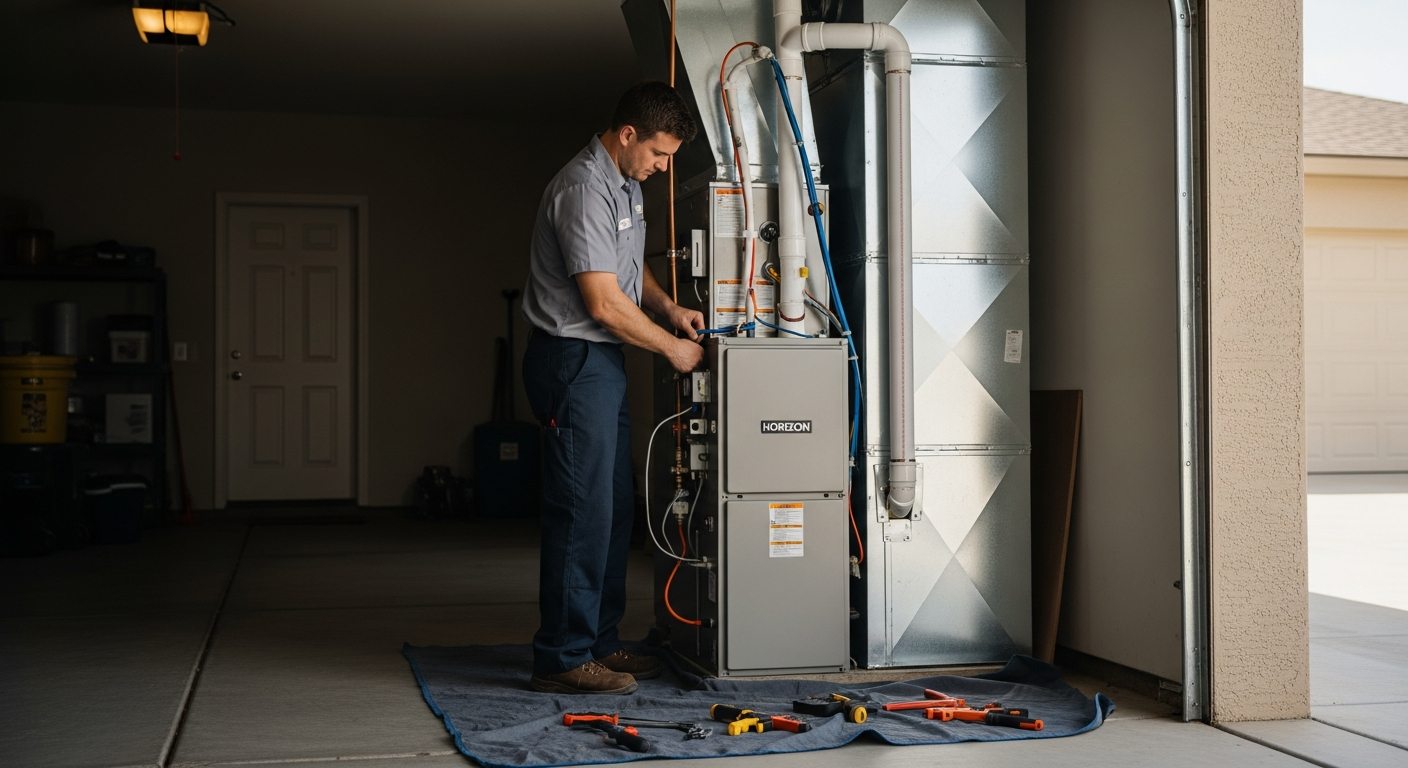
If your system suddenly stops working on a chilly night, it can feel stressful—especially with kids, pets, or older family members at home. Horizon Air Conditioning is here to help you stay calm, stay safe, and get your heat back on quickly, while also showing you how to reduce the chances of another failure later in the season.
1. Stay Calm and Check for Immediate Safety Issues
A heater failure is inconvenient, but your top priority is always safety. Before you start troubleshooting, take a moment to make sure there are no urgent hazards.
- Strong smell of gas near your furnace or gas lines.
- Burning, electrical, or “hot plastic” odors that don’t go away.
- Headaches, dizziness, or nausea when the system tries to run.
If you notice any of these warning signs, turn the system off at the thermostat, leave the area, and call for professional help immediately. Do not try to relight or repair gas equipment yourself—this is a job for a trained technician.
2. Is It Really a Heater Failure? Quick Checks Before You Panic
Sometimes what feels like a major breakdown turns out to be something simple you can fix in minutes. Before you assume the worst, run through this quick checklist.
- Make sure the thermostat is set to HEAT and not OFF or COOL.
- Double-check that the temperature is set several degrees above the current room temperature.
- Replace thermostat batteries if the display is blank or fading.
- Check your electrical panel for a tripped breaker and gently reset it once if needed.
- Confirm the furnace switch (often near the unit) hasn’t been bumped to OFF during cleaning or moving items.
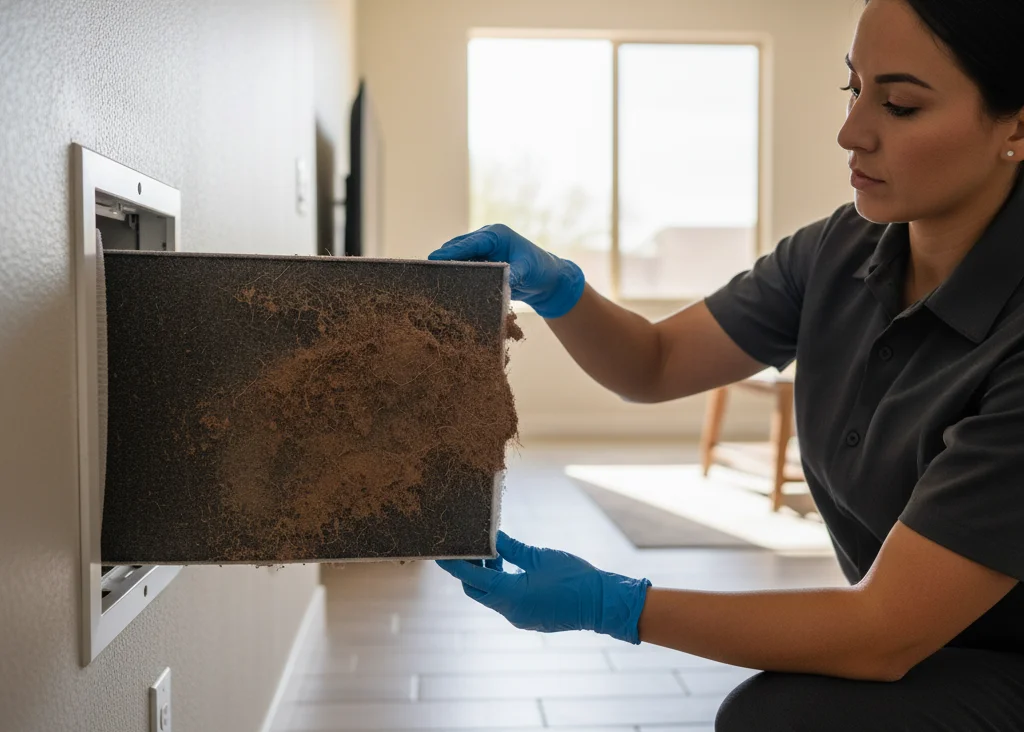
- Look at your air filter—if it’s clogged, replace it and see if the system starts behaving better.
If everything above looks normal and your system still won’t turn on, stays on for only a moment, or blows only cold air, it’s time to call in a professional.
3. Recognizing the Signs of a Serious Heater Problem
Not every heater issue shuts the system down completely. Some warning signs build gradually over days or weeks before a full failure. Paying attention to these symptoms can help you schedule service before you’re left with no heat.
- Rooms that never quite reach the set temperature, even on mild nights.
- New or worsening noises: banging, grinding, squealing, or rattling while the system runs.
- Short cycling: the heater turns on and off every few minutes.
- Weak airflow from vents, even when the blower sounds loud.
- Unusual smells when the furnace starts that don’t fade after a few minutes.
- Energy bills creeping up even though your thermostat settings haven’t changed.
Any one of these is a clue that your heater is struggling. Several at once usually means a breakdown isn’t far behind. Scheduling service at this stage is almost always cheaper than waiting for a full heater failure.
4. Staying Warm Safely While You Wait for Service
If your heater has already failed and you’re waiting for a technician, there are safe ways to keep your family more comfortable in the meantime.
- Close doors to unused rooms so body heat and portable heat stay where people are gathered.
- Layer clothing, socks, and blankets instead of turning to unsafe heat sources.
- Use UL-listed space heaters according to the instructions—keep them on solid surfaces, at least 3 feet from anything flammable, and never leave them unattended or running overnight.
- Open curtains during sunny daytime hours to let in natural warmth, then close them at night to keep that heat in.
- Avoid using ovens or stovetops as “backup heat”—this is dangerous and can lead to fire or carbon monoxide issues.
A little planning goes a long way: having a couple of safe space heaters and extra blankets on hand makes a no-heat situation much easier to ride out.
5. What to Tell Your Technician for a Faster Fix
When you schedule a repair, the details you share can help your technician diagnose the problem more quickly and arrive prepared with the right parts and tools.
- Note the brand, approximate age, and fuel type of your system (gas furnace, heat pump, packaged unit, etc.).
- Describe exactly what happened when the heater failed: Did it stop suddenly? Start making noise? Blow cold air first?
- List any error codes or flashing lights you see on the unit or thermostat.
- Mention any patterns: only at night, only when it’s windy, only after it runs for a while, etc.
- Share any recent work done on your HVAC system or electrical panel.
The more information you can provide, the quicker your technician can zero in on the root cause and get your home warm again.
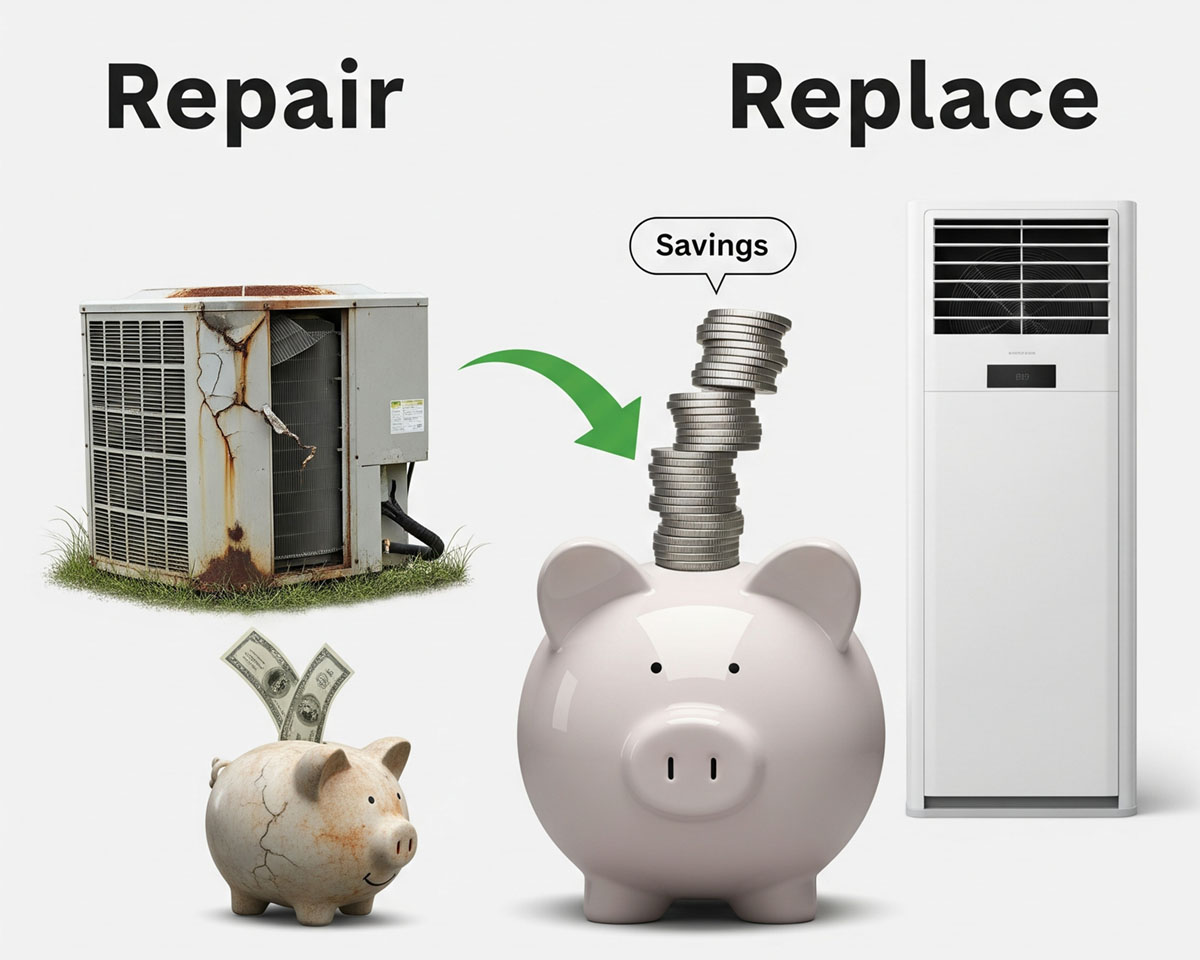
6. Repair or Replace? How to Decide After a Heater Failure
A sudden breakdown often raises a big question: is it worth repairing, or is it time to start planning for a new system? There’s no one-size-fits-all answer, but there are helpful guidelines.
- If your system is under 10 years old and has had few problems, a repair is usually the best choice.
- If your system is around 10–15 years old and has needed several repairs in recent winters, it may be time to discuss replacement options.
- If a single repair will cost almost as much as a new unit’s annual energy savings, an upgrade can be the smarter long-term investment.
- Newer systems are typically more efficient, quieter, and better at maintaining even temperatures throughout the home.
At Horizon Air Conditioning, we’ll walk you through your options, explain what caused the failure, and help you decide whether a targeted repair or a planned replacement makes the most sense for your home and budget.
7. Build a “No-Heat Plan” to Prevent the Next Failure
The best time to think about heater failures is before they happen. Once your system is back up and running, take a few extra steps to reduce the chances of being surprised again.
Simple Ways to Lower Your Risk of Future Heater Failures
- Schedule professional maintenance at least once a year before the main heating season.
- Set reminders to check and replace your air filter on a regular schedule.
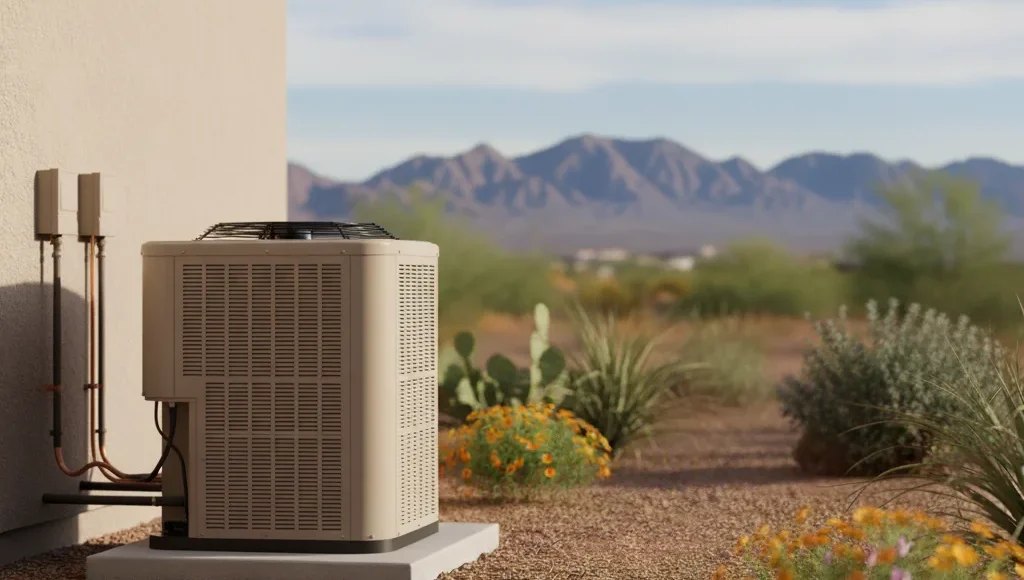
- Keep the area around your indoor and outdoor units clear of storage, dust, and debris.
- Ask your technician about any worn or borderline parts that may be worth replacing proactively.
- Consider a maintenance plan that includes regular tune-ups and priority service when something goes wrong.
These small habits can dramatically reduce the chance of a repeat heater failure, extend your system’s life, and keep your energy bills more predictable throughout the winter.
Don’t Let a Heater Failure Ruin Your Winter
A heater that suddenly stops working is frustrating, but you don’t have to handle it alone. With a few quick safety checks, smart temporary warming strategies, and help from a trusted professional, you can get your home comfortable again and make future failures less likely.
Horizon Air Conditioning is here to help with fast, reliable heating repairs and maintenance throughout the winter season. If your heater is struggling—or has already failed—contact us today so we can get your home warm and comfortable again.
Schedule your heater repair or inspectionHorizon Air LLC